Many people wonder: can vegetarians build muscle effectively without relying on meat-based protein sources? The short answer is yes. With the right nutrition plan, strength training, and protein intake, vegetarians can gain muscle, improve strength, and reach their fitness goals just like their omnivorous counterparts. This article dives into the facts about vegetarian muscle building and how plant-based diets can support your fitness journey.
Understanding Muscle Growth
Muscle gain, also known as hypertrophy, takes place when the body mends small tears in muscle fibers that result from strength training. Protein is essential in this process as it provides the building blocks—amino acids—needed for recovery and growth. Although meat is a widely consumed source of protein, vegetarians have numerous plant-based alternatives that can provide vital nutrients.
Vegetarian Protein Sources
To answer the question, can vegetarians build muscle, it’s crucial to understand plant-based protein sources. Some excellent options include:
- Legumes: Black beans, lentils, and chickpeas are high in fiber and protein.
- Soy Products: Tofu, tempeh, and edamame are complete proteins containing all essential amino acids.
- Dairy: Milk, cheese, and yogurt provide high-quality protein.
- Nuts and Seeds: Almonds, chia seeds, hemp seeds, and pumpkin seeds offer protein and healthy fats.
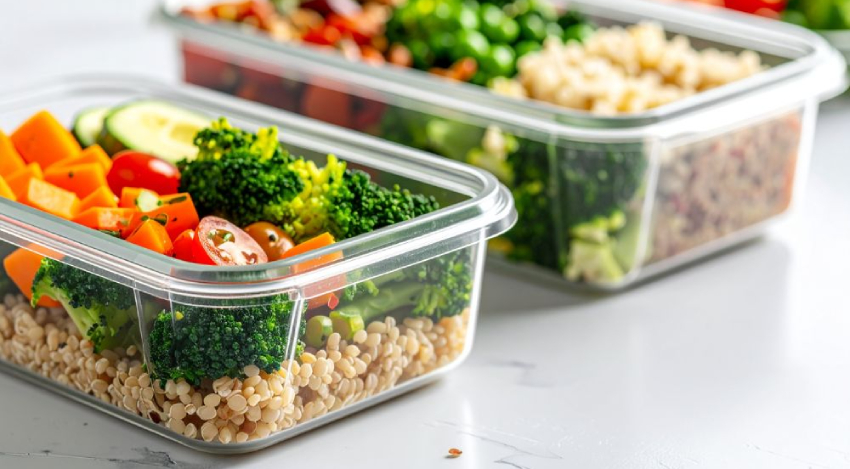
- Whole Grains: Quinoa, buckwheat, and oats contain protein and support sustained energy.
By combining these foods, vegetarians can meet their daily protein requirements to fuel muscle growth.
Tips for Muscle Building on a Vegetarian Diet
- Track Your Protein Intake: Aim for a daily protein intake of 1.2 – 2.0 grams per kilogram of body weight.
- Include Complete Proteins: Pair different protein sources to ensure all essential amino acids are consumed.
- Strength Training: Focus on progressive resistance exercises, including squats, deadlifts, and push-ups.
- Supplement Wisely: Consider plant-based protein powders or B12 supplements if necessary.
- Stay Consistent: Muscle growth takes time, so patience and consistency are key.
Debunking Myths
A common myth is that vegetarians can’t gain significant muscle because plant proteins are “incomplete.” However, research shows that with proper planning, a plant-based diet provides all the nutrients needed for muscle synthesis. Research indicates that soy protein may be equally adequate as whey protein for developing muscle.
Table: High-Protein Vegetarian Foods for Muscle Building
| Food Source | Protein per Serving | Key Benefits for Muscle Growth |
|---|---|---|
| Lentils | 18g per cup (cooked) | High in protein and fiber, supports muscle recovery |
| Chickpeas | 15g per cup (cooked) | Rich in protein and complex carbs for energy |
| Tofu | 20g per cup | Complete protein, versatile for meals |
| Tempeh | 31g per cup | Complete protein, contains probiotics for digestion |
| Greek Yogurt | 10g per 100g | High-quality protein, calcium for bone health |
| Quinoa | 8g per cup (cooked) | Complete protein, contains iron and magnesium |
| Hemp Seeds | 10g per 3 tbsp | Complete protein, rich in omega-3 fatty acids |
| Almonds | 6g per 1 oz | Good source of protein and healthy fats |
Conclusion
So, can vegetarians build muscle? Absolutely. By following a well-rounded diet abundant in plant-based proteins, along with careful meal preparation and regular strength training, vegetarians can attain notable muscle development. By debunking myths and following the facts, it’s clear that vegetarian athletes and fitness enthusiasts have all the tools they need to succeed in building muscle naturally.
Frequently Asked Questions (FAQ)
For a vibrant vegetarian lifestyle, aim for 1.2 to 2.0 grams of protein daily per kilogram of body weight, adjusting for your activity level and training intensity! Combining different plant-based protein sources ensures all essential amino acids are consumed.
Yes. Some plant-based proteins, including soy, quinoa, and hemp, qualify as complete proteins because they provide all the essential amino acids. When taken in sufficient quantities and paired correctly, plant-based proteins can aid in muscle recovery and growth just as effectively as animal proteins.
Strength training is crucial, but muscle growth also depends on sufficient protein and calorie intake. Without enough nutrients to repair muscle fibers, progress will be limited, regardless of training intensity.
High-protein vegetarian snacks include Greek yogurt with nuts, hummus with veggies, roasted chickpeas, protein smoothies with soy or pea protein, and nut butter on whole-grain toast. These snacks help meet daily protein needs and support recovery.
Not necessarily. Many vegetarians can meet their protein and nutrient needs through a balanced diet. However, supplements like plant-based protein powders, vitamin B12, and omega-3s from algae can be useful if dietary intake is insufficient.