
Whole Milk for Muscle Growth: Benefits & Shake Recipes

Whole Milk for Muscle Growth: Benefits & Shake Recipes

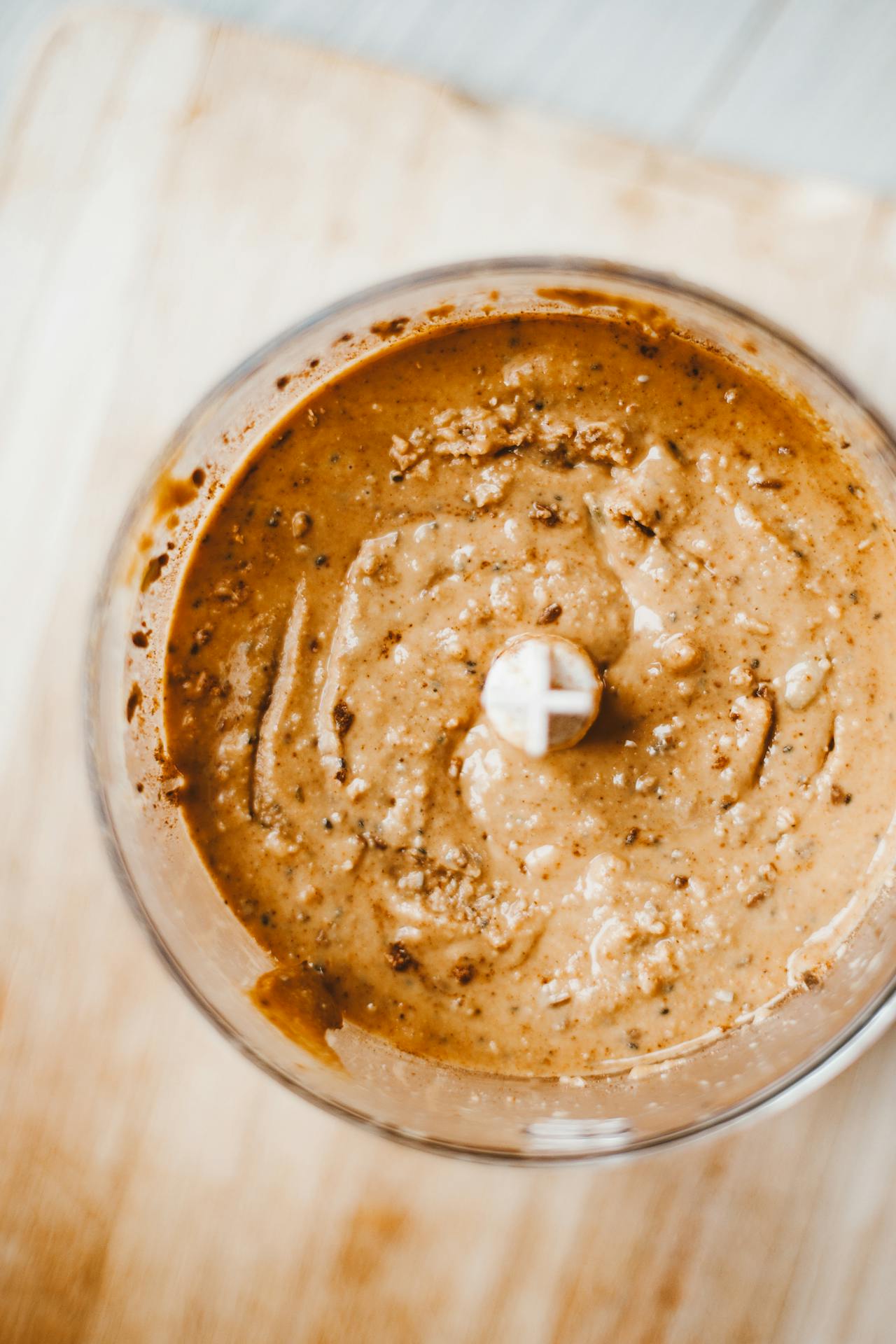
When it comes to optimizing muscle growth and recovery, nutrition plays a crucial role. Among various dietary choices, whole milk has garnered attention for its potential benefits in promoting muscle development. In fact, Whole Milk for Muscle Growth has become a popular topic among fitness enthusiasts and nutrition experts alike. Not only is it nutrient-dense, … Read more

Freeze Protein Shakes into Healthy High-Protein Ice Cream

How to Freeze Protein Shakes to Create Healthy Ice Cream

If you’re looking for a delicious and nutritious way to satisfy your sweet tooth, freeze protein shakes to create healthy ice cream. This simple method lets you enjoy a cool, creamy treat while boosting your protein intake. In this guide, you’ll learn how to turn your favorite protein shakes into a satisfying ice cream alternative—and … Read more

Protein Bar and Protein Shake: Can You Enjoy Both Together

Can You Eat a Protein Bar and Drink a Shake Together?

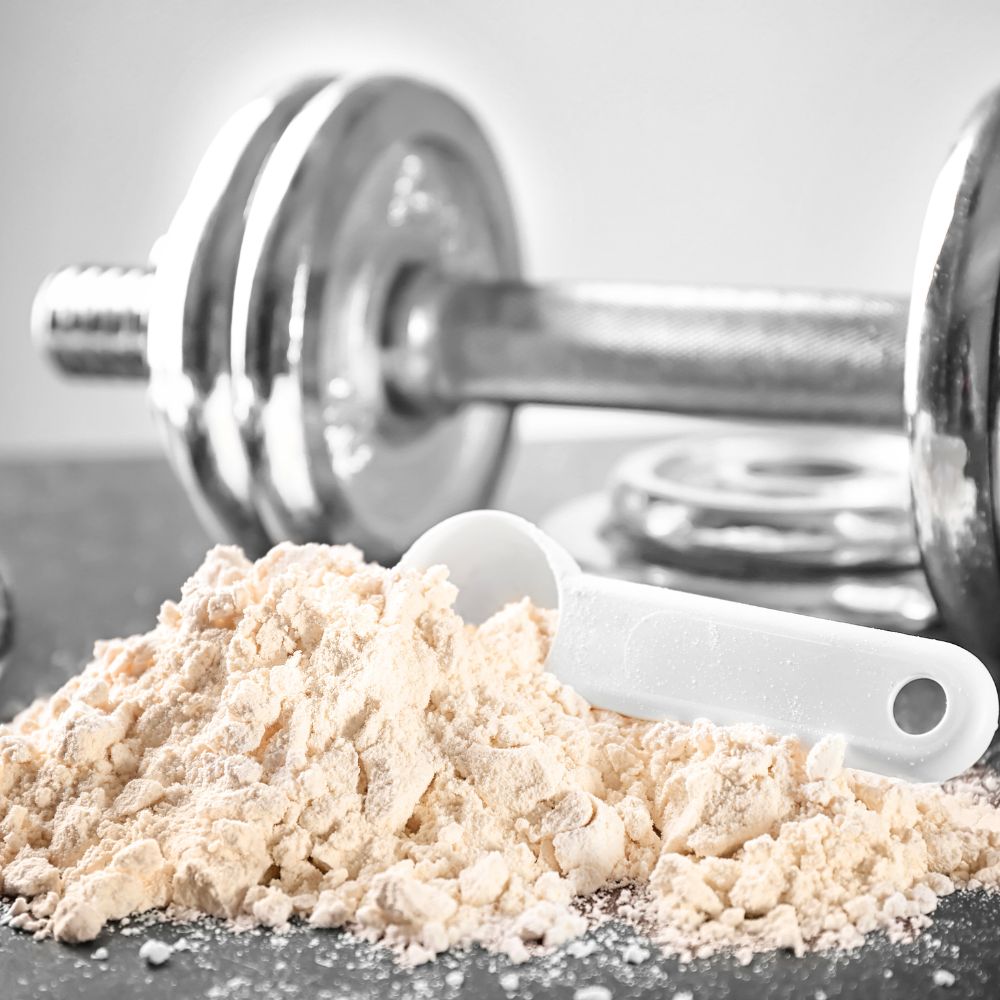
In the world of fitness and nutrition, protein plays a crucial role in muscle repair, growth, and overall health. With the rise of convenient protein products like a protein bar and protein shake, many people wonder if it’s acceptable—or even beneficial—to consume both simultaneously. Let’s dive into the pros and cons, nutritional considerations, and best … Read more

Supplements for Fast Recovery After Workout: Quick Guide

Top Ranked Supplements for Quick Muscle Recovery

Muscle recovery is essential for anyone engaged in intense workouts. While a balanced diet is critical, certain supplements for fast recovery after workout can significantly enhance the recovery process. Here’s a ranked list of the best supplements for fast muscle recovery, including guidance on optimal timing for better absorption and which can be taken together … Read more

Healthy Eating Habits: A Guide to Nourishment

Healthy Eating Habits: A Guide to Nourishment

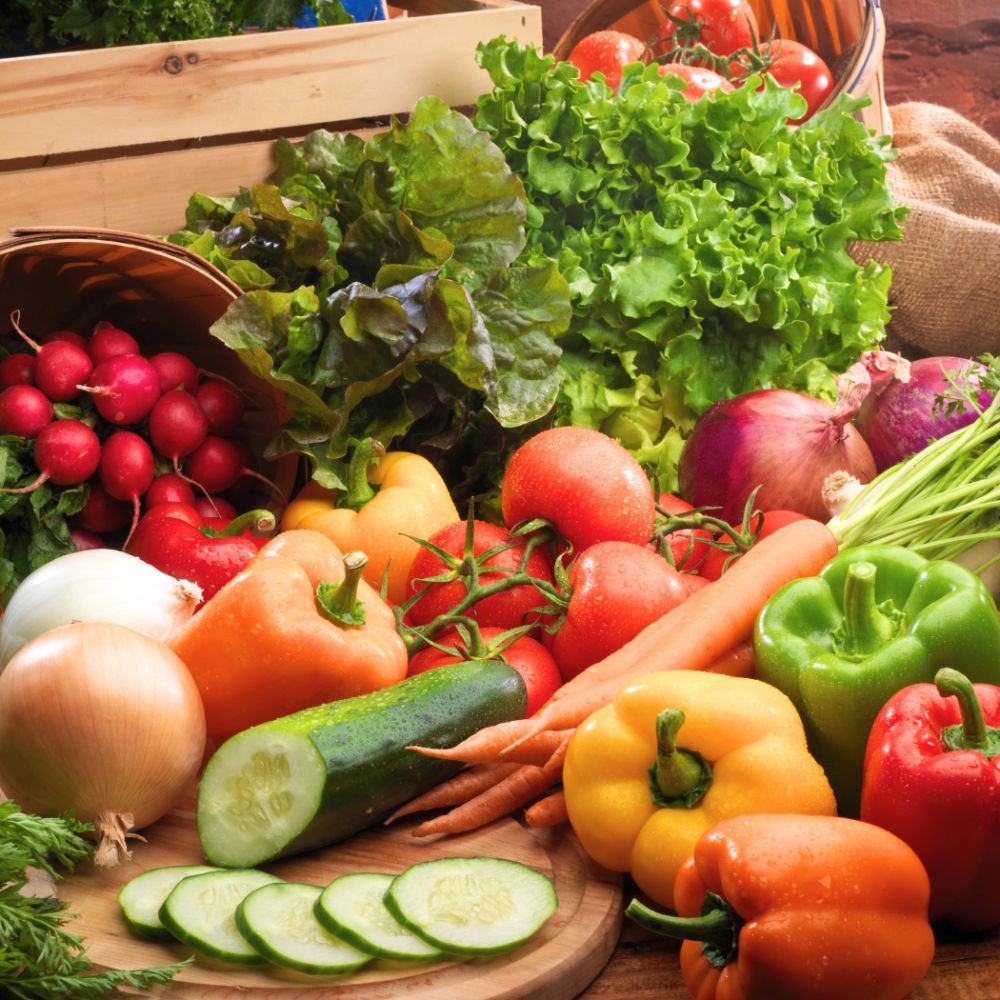
Adopting healthy eating habits is essential for maintaining overall health and well-being. A balanced diet can improve energy levels, support immune function, enhance mood, and reduce the risk of chronic diseases. Here’s a comprehensive guide to help you cultivate healthy eating habits that promote a nutritious lifestyle. 1. Embrace Variety Why It Matters: Eating a … Read more

Should You Drink Protein Shakes on Non Workout Days: Benefits

Should You Drink Protein Shakes on Rest Days?

When it comes to fitness and nutrition, the question of should you drink protein shakes on non workout days often arises. Many people assume that protein shakes are only necessary after workouts, but the reality is more nuanced. Let’s explore the benefits and considerations of consuming protein shakes on rest days. Understanding Protein Needs Protein … Read more

Foods That Boost Nitric Oxide Levels: Blood Flow & Exercise

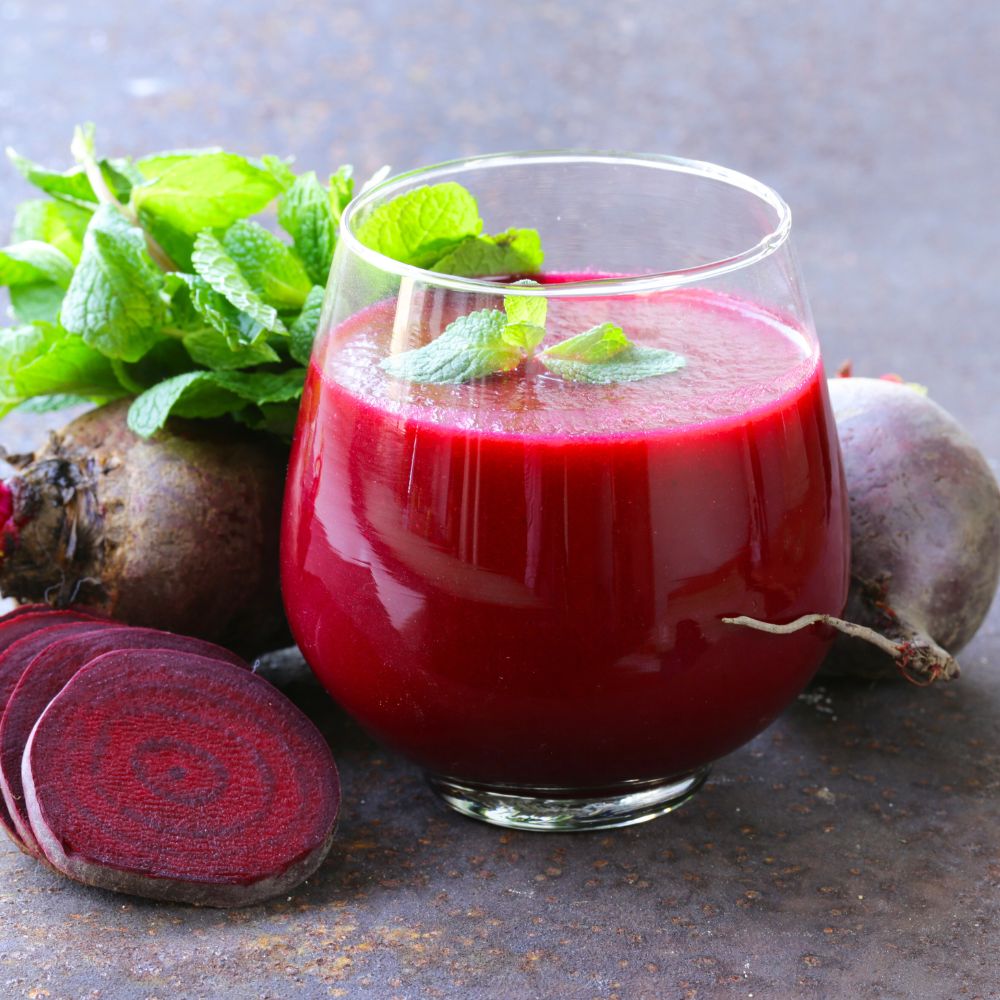
Nitric oxide (NO) is a crucial molecule that supports various physiological functions, including improved blood flow, regulated blood pressure, and enhanced exercise performance. As we age, our ability to produce nitric oxide may decline, making it vital to include certain foods in our diet that can naturally boost its levels. Here’s a look at the best foods for increasing nitric oxide, along with tips on how to consume them for maximum benefits. 1. Leafy Greens Best to Consume: Fresh and raw. Leafy greens such as spinach, kale, arugula, and Swiss chard are rich in nitrates, which the body converts into nitric oxide. To maximize their benefits, try incorporating them into salads, smoothies, or as a side dish. Lightly steaming these greens can enhance their nitrate content while making them easier to digest. 2. Beets Best to Consume: Roasted or as juice. Beets are one of the richest dietary sources of nitrates. For optimal nitric oxide production, roast beets to bring out their natural sweetness or enjoy beet juice, which can rapidly increase NO levels. Consider adding beetroot powder to smoothies or energy drinks for a pre-workout boost. 3. Garlic Best to Consume: Raw or lightly cooked. Garlic is a powerful ally for nitric oxide production due to its compounds like allicin. To retain its beneficial properties, consume garlic raw by adding it to dressings or dips. If cooking, try to keep it at lower temperatures and add it toward the end of the cooking process to preserve its nutrients. 4. Citrusy Fruits Best to Consume: Fresh and whole. Citrus fruits like oranges, lemons, and grapefruits are high in vitamin C, which helps protect nitric oxide from oxidative damage. To maximize their benefits, eat them fresh or add them to salads and smoothies. Squeeze fresh lemon juice over dishes or drink citrus-infused water for a refreshing boost. 5. Nuts and Seeds Best to Consume: Raw or lightly roasted. Nuts and seeds, especially walnuts and flaxseeds, are rich in arginine, a precursor to nitric oxide. For the best effect, consume them raw or lightly roasted, as high temperatures can degrade their nutrients. Sprinkle flaxseeds on yogurt, oatmeal, or salads, and enjoy walnuts as a snack or added to meals for extra crunch. 6. Dark Chocolate Best to Consume: High-cocoa varieties (70% or more). Dark chocolate contains flavonoids that can enhance nitric oxide production. To reap the benefits, choose high-quality dark chocolate and consume it in moderation. Enjoy a small piece as a treat, or incorporate cocoa powder into smoothies and oatmeal for a delicious antioxidant boost. 7. Pomegranate Best to Consume: Fresh seeds or juice. Pomegranate is rich in antioxidants and known to enhance nitric oxide levels. For the best results, eat the fresh seeds, which provide fiber and additional nutrients, or drink pure pomegranate juice without added sugars. Add pomegranate seeds to salads, yogurt, or grain bowls for a colorful and nutritious touch. 8. Watermelon Best to Consume: Fresh and chilled. Watermelon is high in citrulline, an amino acid that converts to arginine and subsequently nitric oxide. To enjoy its full benefits, eat it fresh or blend it into a refreshing juice. Watermelon can also be added to salads or smoothies for a hydrating boost. Conclusion Incorporating a variety of nitric oxide-boosting foods into your diet can significantly enhance your overall health, improve circulation, and support athletic performance. By consuming leafy greens, beets, garlic, citrus fruits, nuts, dark chocolate, pomegranate, and watermelon in the most effective ways, you can optimize their ability to raise nitric oxide levels naturally. Alongside a nutrient-rich diet, maintaining hydration and engaging in regular physical activity will further support your body’s nitric oxide production and promote cardiovascular health.

Nitric oxide (NO) is a crucial molecule that supports various physiological functions, including improved blood flow, regulated blood pressure, and enhanced exercise performance. As we age, our ability to produce nitric oxide may decline, making it vital to include certain foods in our diet that can naturally boost its levels. Here’s a look at the … Read more

Does Nitric Oxide Help Muscle Growth: Key Benefits

Is Nitric Oxide Beneficial for Muscle Growth? Key Benefits.

In the world of fitness and bodybuilding, the search for effective supplements and strategies to enhance muscle growth is constant. One compound that has garnered significant attention is nitric oxide (NO). A common question among athletes and enthusiasts is: “Does nitric oxide help muscle growth?” This article explores the relationship between nitric oxide and muscle … Read more