Gaining lean muscle requires commitment, effort, and, above all, proper nutrition. While you may be hitting the gym consistently, your diet can make or break your results. Unfortunately, not all foods support muscle development. In fact, some foods can actually hinder your gains. In this article, we’ll uncover foods that kill muscle growth and explain why avoiding them is crucial for maximizing your results.
Why Diet Matters for Muscle Growth
Muscle growth, or hypertrophy, relies on a delicate balance of protein intake, calorie consumption, and nutrient timing. Even if your workouts are intense, eating the wrong foods can slow recovery, reduce protein synthesis, and ultimately stall your progress. Identifying foods that kill muscle growth is just as important as knowing what to eat.
1. Sugary Beverages
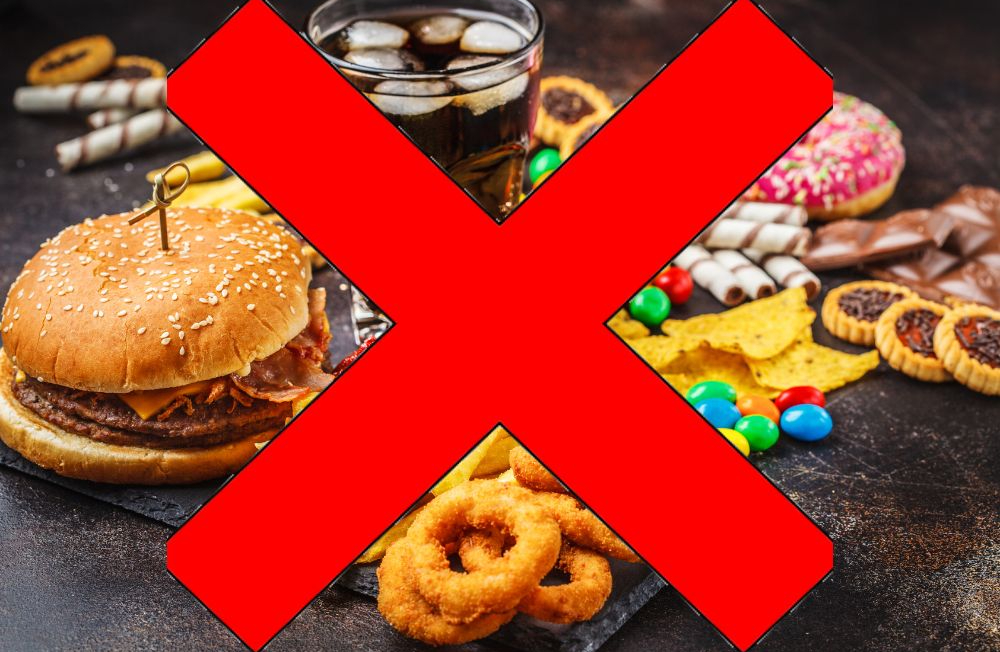
Carbonated beverages, sugary juices, and energy drinks are packed with sugar and devoid of nutritional value. These drinks spike insulin levels rapidly, promote fat storage, and provide virtually no protein or essential nutrients. Regular consumption can lead to inflammation, which interferes with muscle repair.
2. Processed Junk Foods
Snack foods like chips, fast food, and packaged treats contain high levels of trans fats and refined carbohydrates. Trans fats have been linked to increased body fat and decreased testosterone levels—both of which can impede muscle growth. To build lean muscle, it’s best to steer clear of these.
3. Excessive Alcohol
Alcohol slows down protein synthesis and disrupts hormone balance, particularly testosterone. Heavy drinking can not only reduce muscle gains but also increase fat storage, making it harder to achieve a lean, muscular physique.
4. High-Fat Dairy and Fatty Cuts of Meat
While protein is essential, consuming high-fat versions of dairy or meat can add excess calories without additional muscle-building benefits. Saturated fats in large amounts can also impact cardiovascular health, which affects overall performance in the gym.
5. Artificial Sweeteners
Though marketed as a healthy alternative to sugar, artificial sweeteners may interfere with gut health and metabolism, which indirectly affects muscle growth. Some studies suggest they can lead to cravings for unhealthy foods, derailing your nutrition plan.
6. Highly Refined Carbs
White bread, pastries, and certain cereals can spike blood sugar and insulin levels without providing sustained energy. Over time, these foods can lead to fat accumulation and hinder muscle repair after workouts.
How to Replace Foods That Kill Muscle Growth
Instead of these detrimental foods, focus on nutrient-dense alternatives:
- Lean proteins: Chicken, turkey, fish, eggs, and plant-based proteins
- Complex carbs: Brown rice, quinoa, oats, and sweet potatoes
- Healthy fats: Avocado, nuts, seeds, and olive oil
- Fruits and vegetables: High in antioxidants to minimize inflammation and accelerate recovery.
By prioritizing nutrient-rich foods, you’ll fuel your workouts, enhance recovery, and maximize muscle growth.
Table: Common Foods That Kill Muscle Growth and Their Effects
| Food Category | Examples | How They Affect Muscle Growth |
|---|---|---|
| Sugary Beverages | Soda, energy drinks, sweet juices | Spike insulin, increase fat storage, reduce recovery |
| Processed Junk Foods | Chips, fast food, packaged snacks | High in trans fats, lower testosterone, hinder muscle gains |
| Excessive Alcohol | Beer, cocktails, liquor | Slows protein synthesis, disrupts hormones |
| High-Fat Dairy & Fatty Meat | Full-fat cheese, bacon, fatty cuts of beef | Adds excess calories, impacts heart health |
| Artificial Sweeteners | Diet soda, sugar-free snacks | May disrupt gut health and metabolism, cause cravings |
| Refined Carbs | White bread, pastries, sugary cereals | Spike blood sugar, promote fat storage, reduce energy for workouts |
Conclusion
If you’re serious about building muscle, avoiding foods that kill muscle growth is essential. Sugary drinks, processed junk foods, excessive alcohol, fatty meats, artificial sweeteners, and refined carbs can all sabotage your efforts in the gym. Concentrate on a well-rounded diet that includes lean proteins, complex carbohydrates, healthy fats, and foods high in nutrients to maximize your muscle growth. Remember, what you eat is just as important as how you train—fuel wisely, and your muscles will thank you.
Frequently Asked Questions (FAQ)
To support muscle growth, focus on lean protein sources such as chicken, turkey, fish, eggs, and plant-based proteins. Include complex carbohydrates, such as oats, quinoa, and sweet potatoes, for sustained energy, and healthy fats from avocados, nuts, and olive oil. Don’t forget to include fruits and vegetables to provide essential vitamins and antioxidants for optimal recovery.
Excessive sugar consumption can lead to insulin spikes and promote fat storage. High sugar intake may also promote inflammation, which can slow down muscle recovery and reduce overall performance in workouts. Moderation is key to maintaining muscle gains.
Yes. Alcohol interferes with protein synthesis and can disrupt hormone balance, particularly testosterone levels. Excessive drinking can also lead to weight gain, dehydration, and slower recovery after exercise, all of which can impact muscle development.
Processed snacks are typically high in refined carbs and unhealthy fats, providing minimal nutrients to support recovery. Instead, post-workout meals should include a combination of protein and complex carbs to repair muscle tissue and replenish glycogen stores.
While low in calories, artificial sweeteners may alter gut bacteria and metabolic responses, potentially affecting energy balance and appetite control. Heightened cravings for unhealthy foods might ultimately stem from this, making it harder to adhere to a nutrient-rich diet.