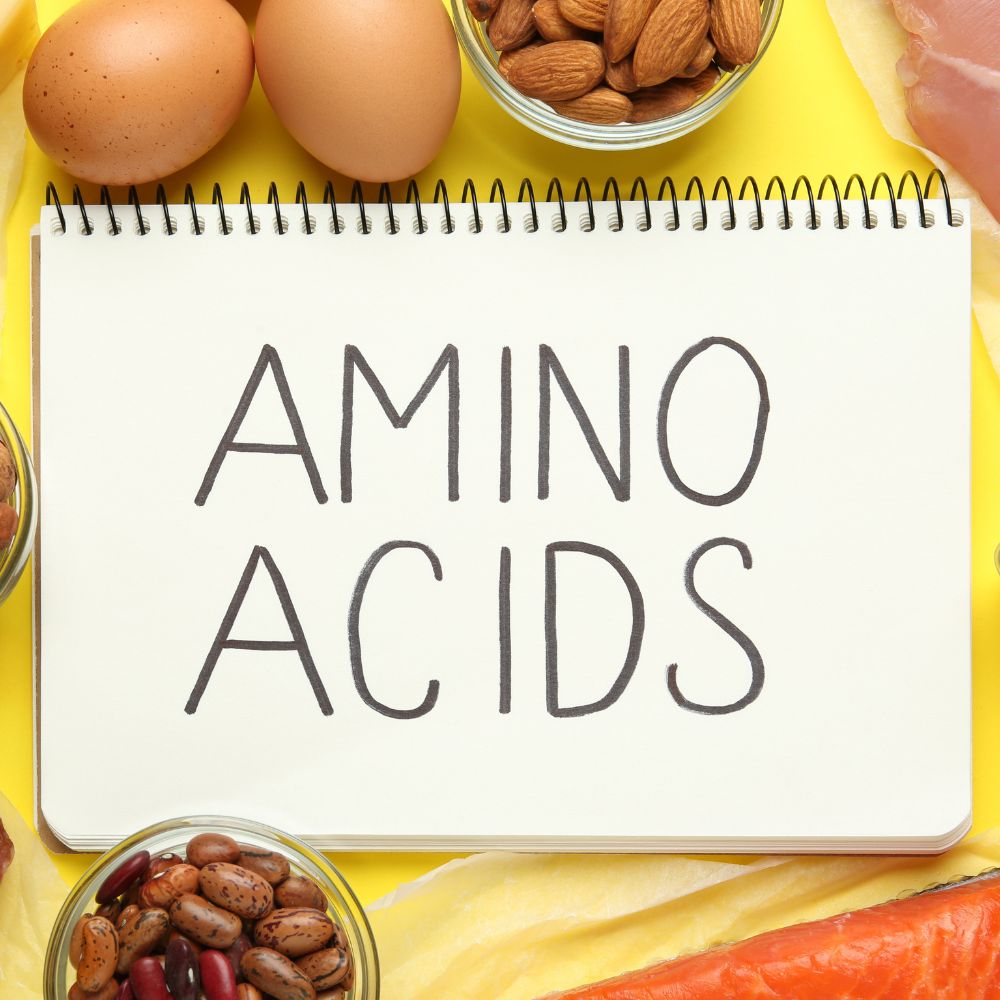
Essential amino acids (EAAs) are the building blocks of proteins that our bodies need, but cannot synthesize on their own. This makes it crucial to obtain them through our diet. If you’ve ever wondered how are essential amino acids obtained, understanding the sources and methods can significantly impact your overall health, muscle development, and metabolic functions. In this article, we will explore what essential amino acids are, their importance, the best dietary sources, and the different types of essential amino acid supplements available.
What Are Essential Amino Acids?
Essential amino acids are a collection of nine amino acids that the human body cannot synthesize. These are:
- Histidine
- Isoleucine
- Leucine
- Lysine
- Methionine
- Phenylalanine
- Threonine
- Tryptophan
- Valine
Each of these amino acids plays a unique role in various bodily functions, including muscle repair, immune function, hormone production, and neurotransmitter synthesis.
Why Are Essential Amino Acids Important?
The significance of essential amino acids cannot be overstated. Here are some key functions they serve:
- Muscle Repair and Growth: EAAs, especially leucine, are crucial for muscle protein synthesis. This is vital for athletes and anyone looking to build or maintain muscle mass.
- Hormonal Regulation: Amino acids help in the production of hormones that regulate metabolism, mood, and stress response.
- Immune Function: Some EAAs play a role in producing antibodies that help fight infections.
- Enzyme Production: Many enzymes, which are essential for metabolic processes, require amino acids for their synthesis.
How to Obtain Essential Amino Acids
Since our bodies can’t synthesize essential amino acids, we must obtain them through our diets. Here are some of the best dietary sources:
1. Animal-Based Protein Sources
Animal proteins are deemed complete proteins in that they contain all nine essential amino acids. Some of the best sources include:
- Meat: Chicken, beef, pork, and lamb are all excellent sources of EAAs.
- Fish: Tuna, salmon, and other fatty fish provide high-quality protein along with omega-3 fatty acids.
- Dairy Products: Milk, yogurt, and cheese are not only rich in calcium, but also provide a complete amino acid profile.
- Eggs: Known as one of the best sources of protein, eggs contain all essential amino acids and are highly bioavailable.
2. Plant-Based Protein Sources
While many plant-based proteins are considered incomplete (lacking one or more EAAs), combining different sources can ensure you receive all essential amino acids. Some good options include:
- Legumes: Beans, lentils, and chickpeas are great sources of protein and can be combined with grains to form a complete protein (e.g., rice and beans).
- Quinoa: This grain is a complete protein on its own and is a great addition to salads or bowls.
- Soy Products: Tofu, tempeh, and edamame are complete protein sources suitable for vegetarians and vegans.
- Nuts and Seeds: Almonds, chia seeds, and hemp seeds provide healthy fats along with essential amino acids.
3. Protein Supplements
For those who find it challenging to meet their protein needs through food alone, protein supplements can be an effective solution. Here are the different types of essential amino acid supplements available:
Types of Essential Amino Acid Supplements
- EAA Powder: These supplements typically contain all nine essential amino acids in a powdered form. They are convenient for mixing into water or smoothies and are often used by athletes to support muscle recovery and growth.
- BCAA Supplements: Branched-Chain Amino Acids (BCAAs) consist of three essential amino acids: leucine, isoleucine, and valine. These are popular for muscle recovery and can be taken before, during, or after workouts.
- Whey Protein: A complete protein obtained from milk that contains all essential amino acids. Whey protein is highly digestible and quickly absorbed, making it ideal for post-workout recovery.
- Casein Protein: Also derived from milk, casein digests slowly, providing a gradual release of amino acids. It’s beneficial for sustained protein delivery, making it a good choice before bedtime.
- Plant-Based Protein Powders: These are typically made from sources like pea, hemp, or brown rice. Many brands combine various plant proteins to provide a complete amino acid profile suitable for vegans and vegetarians.
- Amino Acid Tablets/Capsules: For those who prefer not to use powders, amino acid tablets or capsules provide a convenient way to ensure adequate intake of essential amino acids.
Tips for Ensuring Adequate EAA Intake
- Balanced Diet: Aim for a varied diet that includes both animal and plant-based proteins to cover all essential amino acids.
- Meal Planning: Incorporate a mix of protein sources in each meal to ensure you get a broad spectrum of amino acids.
- Consult a Professional: If you’re unsure about your protein intake, consider consulting a registered dietitian for personalized advice.
How Are Essential Amino Acids Obtained? – Quick Reference Table
| Source Type | Examples | Complete Protein? | Notes |
|---|---|---|---|
| Animal-Based Foods | Chicken, beef, fish, eggs, dairy | ✅ Yes | Naturally contain all 9 essential amino acids. Highly bioavailable. |
| Plant-Based Foods | Quinoa, soy, legumes + grains, nuts, seeds | ⚠️ Some are incomplete | Combine sources (e.g., rice + beans) for full EAA profile. |
| EAA Supplements | EAA powders, capsules | ✅ Yes | Direct source of all 9 EAAs. Ideal for quick support and muscle recovery. |
| BCAA Supplements | Leucine, isoleucine, valine powders or capsules | ❌ No (only 3 EAAs) | Best used to support workouts; not a full EAA solution. |
| Whey/Casein Protein | Milk-derived powders | ✅ Yes | Fast (whey) or slow (casein) digesting. Great for workout nutrition. |
| Plant Protein Powders | Pea, hemp, rice, blended plant formulas | ⚠️ Often blended | Look for “complete protein” blends to ensure all EAAs are included. |
Conclusion
Essential amino acids are crucial for numerous bodily functions, and since our bodies cannot produce them, it’s vital to obtain them through our diet. By incorporating a variety of protein sources—both animal and plant-based—you can ensure that you meet your amino acid needs. Additionally, essential amino acid supplements can be a helpful option for those looking to boost their intake. Understanding how are essential amino acids obtained can greatly enhance your health and well-being. Make sure to prioritize a balanced diet to enjoy the benefits of all nine essential amino acids!
Frequently Asked Questions (FAQ)
Essential amino acids are obtained through dietary sources such as animal proteins (meat, fish, eggs, dairy), plant-based foods (soy, quinoa, legumes), and supplements like EAA powders or protein shakes. The body cannot produce them, so they must come from food or supplements.
Eggs, meat, dairy, fish, soy, and quinoa are examples of foods that are complete proteins and include all nine essential amino acids. These are ideal for meeting daily amino acid needs.
Yes, but it often requires combining different plant foods. For instance, consuming legumes along with grains (such as beans and rice) guarantees a full range of amino acids. Soy and quinoa are exceptions—they’re complete on their own.
Supplements aren’t necessary if your diet includes enough complete proteins. However, EAA or BCAA supplements can help individuals with higher protein needs or dietary restrictions.
A deficiency in essential amino acids can lead to muscle loss, fatigue, weakened immunity, and impaired recovery. Consistent intake is crucial for maintaining health and bodily functions.