As we get older, holding onto muscle mass becomes crucial for overall health, mobility, and independence. A common question among people over 60 is how much protein do I need to build muscle after 60, since the proper protein intake can greatly influence strength, recovery, and vitality. By recognizing the importance of protein and incorporating it into your meals, you can promote muscle growth and maintain your overall well-being.
Why Protein Is Crucial After 60
Protein plays an important role in muscle repair and growth, especially as we age. After age 60, the body becomes less effective at metabolizing protein, which may lead to muscle deterioration, decreased strength, and slower recovery. This condition, known as sarcopenia, can be mitigated with adequate protein intake combined with regular strength training.
What Amount of Protein Is Required to Gain Muscle After 60?
Research indicates that older adults often need more protein than younger adults to stimulate muscle growth. Experts generally recommend the following:
- Daily Protein Intake: Strive for a daily protein intake of 1.2 to 2.0 grams for every kilogram of body weight. For a 70 kg (154 lbs) individual, this translates to 84–140 grams of protein daily.
- Protein Distribution: Distribute your protein evenly across your meals, aiming for 25–40 grams per meal to optimize muscle protein synthesis.
- High-Quality Sources: Include lean meats, fish, eggs, dairy, legumes, and plant-based protein powders to meet daily requirements.
By adhering to these instructions, you can successfully respond to the inquiry, “How much protein do I need to build muscle after 60?” while supporting your muscle-building goals.
Tips for Increasing Protein Intake
- Add Protein-Rich Snacks: Greek yogurt, cottage cheese, or nuts can boost your daily intake.
- Consider Protein Supplements: Whey, casein, or plant-based protein powders are convenient options.
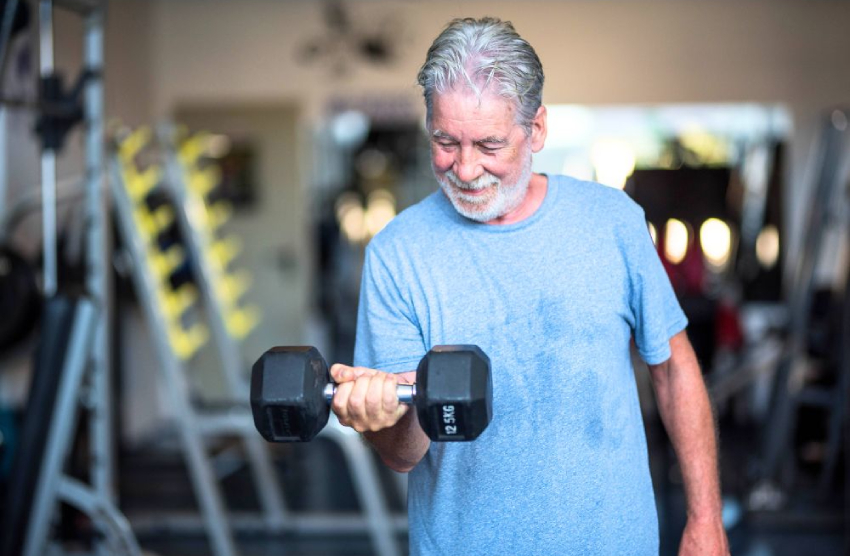
- Combine Protein with Strength Training: Resistance exercises like weight lifting, resistance bands, or bodyweight workouts are essential for maximizing muscle growth.
- Monitor Your Progress: Track muscle strength, mass, and overall health to adjust protein intake as needed.
Protein Guidelines for Muscle Growth After 60
| Body Weight (lbs) | Daily Protein Target (grams) | Example Protein Sources | Notes & Tips |
|---|---|---|---|
| 110 lbs | 60–100 | Eggs, Greek yogurt, chicken, legumes | Spread intake across 3–4 meals |
| 130 lbs | 72–120 | Fish, tofu, cottage cheese, beans | Include protein in every meal |
| 155 lbs | 84–140 | Lean beef, eggs, lentils, protein shakes | Combine with strength training |
| 175 lbs | 96–160 | Poultry, dairy, nuts, soy products | Consider high-quality protein powders if needed |
Conclusion
Knowing how much protein do I need to build muscle after 60 is crucial for maintaining strength, mobility, and independence. Older adults require slightly higher protein intake than younger adults, ideally spread across meals and paired with resistance training. By prioritizing high-quality protein and maintaining an active lifestyle, you can protect against muscle loss and enjoy better overall health well into your later years.
Frequently Asked Questions (FAQ)
As we age, adults often need higher protein intake than younger individuals to preserve muscle and support recovery. Daily protein consumption of 1.2 to 2 grams per kilogram of body weight, spread throughout meals, is recommended by experts.
Eating a variety of high-quality protein sources, like lean meats, fish, eggs, dairy, legumes, and soy, offers essential amino acids that enhance muscle health and boost your overall well-being!
Yes. Distributing protein intake evenly across meals—rather than consuming it all at once—can improve muscle protein synthesis and help maintain strength more effectively.
Absolutely. Although protein powders can be convenient, older adults can fulfill their protein needs through whole foods such as meat, dairy, eggs, beans, and nuts, along with regular resistance training.
Resistance exercises, such as weightlifting or bodyweight workouts, stimulate muscle growth, improve balance, and increase the metabolic rate. When paired with adequate protein intake, these exercises are key to maintaining muscle and mobility.