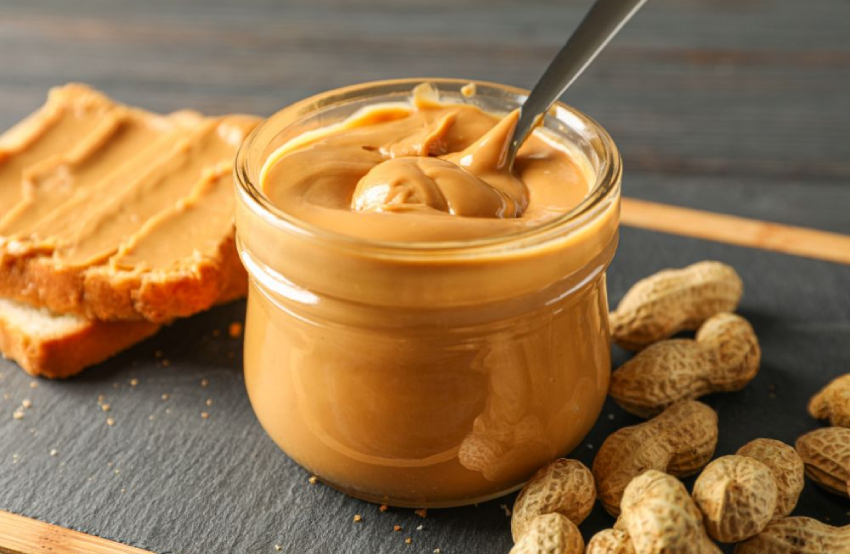
As we age, maintaining a healthy diet is crucial, and protein plays a key role in supporting muscle strength, bone health, and overall vitality. Many seniors wonder: Is peanut butter a good source of protein for seniors? This popular spread is not only delicious but also packed with nutrients, making it a convenient choice for older adults. In this article, we’ll explore the protein content, health benefits, and considerations for seniors who want to include peanut butter in their diet.
Nutritional Profile of Peanut Butter
Packed with plant-based protein, healthy fats, and essential vitamins and minerals, peanut butter delivers a well-rounded nutritional boost.
A typical 2-tablespoon serving contains:
- Protein: 7–8 grams
- Healthy fats: Monounsaturated and polyunsaturated fats
- Vitamins: Vitamin E, B vitamins
- Minerals: Magnesium, potassium, and zinc
This blend of nutrients makes peanut butter an excellent option for older adults aiming to preserve muscle mass and promote heart health.
Health Benefits of Peanut Butter for Seniors
1. Supports Muscle Health
Protein is essential for preventing muscle loss, a common concern for seniors. Peanut butter provides an average level of protein, helping seniors meet their daily protein needs when paired with additional protein sources such as eggs, dairy, or legumes.
2. Promotes Heart Health
The beneficial fats in peanut butter, primarily monounsaturated fats, can help lower harmful cholesterol levels and promote heart health, a key factor for older individuals.
3. Helps with Weight Management
Peanut butter is calorie-dense, providing energy in a small serving. This can be beneficial for seniors who need to maintain or gain weight without consuming large volumes of food.
4. Rich in Nutrients
In addition to protein, peanut butter is rich in antioxidants and vital minerals, such as magnesium and potassium, which support bone health, nerve function, and overall well-being.
Considerations for Seniors
While peanut butter offers many benefits, there are a few considerations:
- Calorie Density: Its high-calorie content means moderation is key, especially for seniors monitoring their weight.
- Added Sugars and Salt: Opt for natural or unsweetened peanut butter to avoid extra sugar and sodium.
- Allergies: Seniors with peanut allergies should obviously avoid it.
How to Include Peanut Butter in a Senior-Friendly Diet
- Layer on whole-grain toast for a breakfast rich in protein.
- Incorporate into smoothies to achieve a rich consistency and boost nutritional content.
- For a well-rounded snack, use it as a dip for fruits and veggies.
By strategically incorporating peanut butter, seniors can enjoy its nutritional benefits without overconsumption of calories or added sugars.
Nutritional Benefits of Peanut Butter for Seniors
| Nutrient/Benefit | Why It Matters for Seniors | How Peanut Butter Helps |
|---|---|---|
| Protein | Supports muscle maintenance and prevents muscle loss | Provides 7–8g of plant-based protein per serving |
| Healthy Fats | Promotes heart health and sustained energy | Contains heart-friendly monounsaturated and polyunsaturated fats |
| Vitamins (E & B vitamins) | Supports immunity, skin health, and energy production | Delivers essential vitamins in a convenient serving |
| Minerals (Magnesium, Potassium, Zinc) | Aids bone strength, nerve function, and immune health | Offers a variety of vital minerals naturally |
| Calorie Density | Helps seniors maintain a healthy weight | Provides concentrated calories for those needing more energy |
Conclusion
So, is peanut butter a good protein for seniors? Absolutely. It provides a moderate amount of protein, heart-healthy fats, and essential nutrients that support muscle health, heart function, and overall wellness. Ultimately, peanut butter, when enjoyed in moderation and as part of a balanced diet, can be a delicious and nutritious boost to a senior’s daily meals!
Frequently Asked Questions (FAQ)
Yes, peanut butter can be a nutritious choice for seniors, as it is rich in protein, beneficial fats for heart health, and essential nutrients like magnesium and vitamin E. When eaten in moderation and paired with other nutritious foods, it can support overall wellness.
Most seniors can enjoy 1–2 tablespoons per day as part of a balanced diet. This amount provides nutrients without adding too many calories, especially for those watching their weight.
It can contribute to muscle maintenance because it contains a moderate amount of protein. However, it’s most effective when combined with other protein-rich foods throughout the day.
Natural peanut butter, which doesn’t contain added sugars or hydrogenated oils, is typically beneficial for heart health because of its nutritious fats. Still, seniors with specific cardiac conditions should consult their healthcare provider.
Potential drawbacks include its high calorie density and the possibility of added sugars or sodium in some brands. Seniors should choose natural varieties and keep portion sizes in check.