
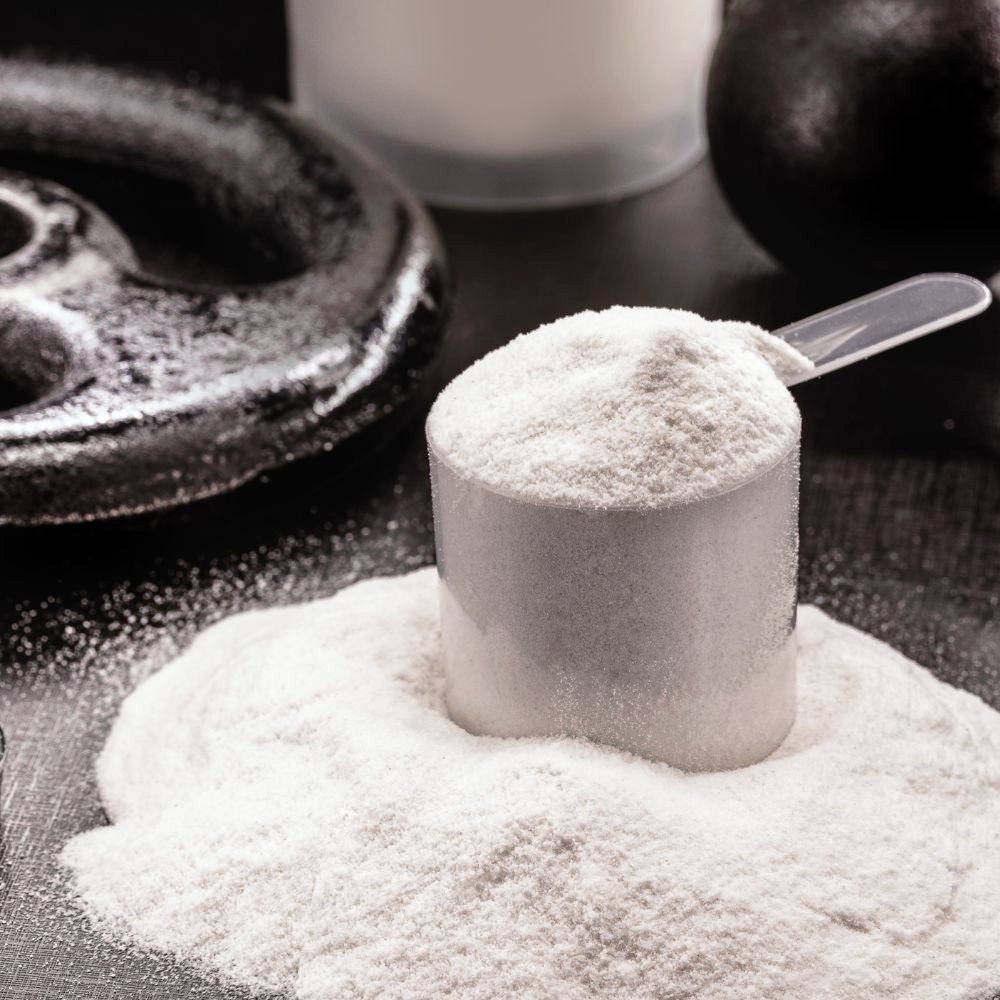
Casein protein, a slow-digesting dairy protein derived from milk, is a staple in the diets of many athletes and fitness enthusiasts. Despite its popularity, several myths and misconceptions surround its use. In this article, we’ll explore some common myths about casein protein and provide the facts to help you make informed decisions.
What is Casein Protein?
Casein protein constitutes about 80% of the protein found in milk, with whey making up the remaining 20%. Known for its slow digestion rate, casein forms a gel-like substance in the stomach, leading to a gradual release of amino acids over several hours. This unique characteristic makes it particularly effective for muscle recovery and sustained nourishment.
Common Myths About Casein Protein
Myth 1: Casein Protein is Only for Bodybuilders
Fact: While casein protein is often associated with bodybuilders and athletes, it can benefit anyone looking to increase their protein intake. Whether you’re a casual gym-goer, someone recovering from an illness, or simply seeking to maintain a healthy diet, casein can be a valuable addition to your nutrition plan.
Myth 2: Casein Protein Causes Weight Gain
Fact: Many people believe that consuming protein, including casein, leads to weight gain. However, weight gain occurs when you eat more calories than you expend. When used appropriately, casein can actually help manage hunger and promote satiety, making it easier to control caloric intake and maintain a healthy weight.
Myth 3: Casein Protein is Bad for Digestion
Fact: Some people think that casein protein is difficult to digest. While it is true that casein digests slowly, this can be advantageous for providing a steady supply of amino acids over time. For individuals with lactose intolerance or dairy allergies, there are casein protein options that are more suitable, such as casein isolates that have lower lactose content.
Myth 4: Casein Protein is Only Effective at Night
Fact: While many people use casein protein before bedtime to take advantage of its slow-digesting properties, it can be beneficial at any time of day. Consuming casein as a snack between meals can help maintain a steady amino acid supply, supporting muscle repair and reducing hunger throughout the day.
Myth 5: All Protein Powders Are the Same
Fact: Not all protein powders are created equal. Casein protein has a unique composition that sets it apart from whey and plant-based proteins. Understanding the differences can help you choose the best protein source for your specific needs. Casein is particularly high in glutamine, which can support recovery and immune function.
Myth 6: Casein Protein Supplements are Not Necessary
Fact: While it’s possible to meet your protein needs through whole foods, many individuals find it challenging, especially those with busy lifestyles or specific dietary requirements. Casein protein supplements provide a convenient way to boost protein intake, especially for those who struggle to consume enough protein from food alone.
Casein vs. Other Protein Types: A Quick Comparison
| Protein Type | Digestion Speed | Best Time to Consume | Key Benefits | Ideal For |
|---|---|---|---|---|
| Casein | Slow | Before bed, between meals | Sustained amino acid release, muscle recovery, satiety | Those needing long-lasting protein supply |
| Whey | Fast | Post-workout, morning | Quick muscle repair, high leucine content | Athletes needing rapid recovery |
| Plant-Based | Varies (usually moderate) | Anytime | Suitable for vegans, contains fiber | Plant-based or lactose intolerant individuals |
Conclusion
Casein protein offers numerous benefits, from supporting muscle recovery to promoting satiety. By debunking these common myths, you can better understand how to incorporate casein protein into your diet effectively. Whether you’re an athlete, a fitness enthusiast, or someone looking to enhance your nutrition, casein protein can be a valuable addition to your regimen. As always, consult with a healthcare professional or a registered dietitian to determine the best protein sources for your individual needs and goals.
Frequently Asked Questions (FAQ)
Casein is a protein that breaks down slowly, providing a steady release of amino acids over time, which supports long-lasting muscle repair and helps keep hunger at bay. Whey digests quickly, providing a rapid amino acid boost.
Yes! While popular with athletes and bodybuilders, casein benefits anyone looking to increase protein intake, manage hunger, or support muscle repair — not just fitness enthusiasts.
No. Weight gain results from consuming more calories than you burn. Casein can actually help promote satiety and aid in controlling calorie intake.
Not necessarily. Although many use casein before bed for overnight recovery, it can be consumed anytime to provide a steady supply of amino acids throughout the day.
Supplements aren’t required if your diet meets your protein needs, but they offer a convenient way to boost intake, especially for busy individuals or those with higher protein demands.