What is Vitamin B2?
The water-soluble vitamin B2, sometimes referred to as riboflavin, is necessary for the synthesis of energy and other cellular processes. The body needs to turn proteins, lipids, and carbohydrates into energy it can use. This procedure is crucial for enhancing physical performance and maintaining overall health. Staying informed with accurate vitamin B2 information can help individuals make better choices to support these vital functions.
Why is Vitamin B2 Important for Fitness & Recovery?
Supports energy production
The conversion of foods into ATP, the energy unit your muscles use during exercise, depends on vitamin B2.
Boosts antioxidant defense
It helps the body recycle glutathione, a major antioxidant that reduces oxidative stress from intense training.
Acts as a coenzyme
Riboflavin functions as a coenzyme in various enzymatic reactions critical to energy metabolism and tissue repair.
Helps maintain healthy skin, eyes, and nerve function
Essential for keeping skin and nervous system performance at their peak — especially during high training loads.
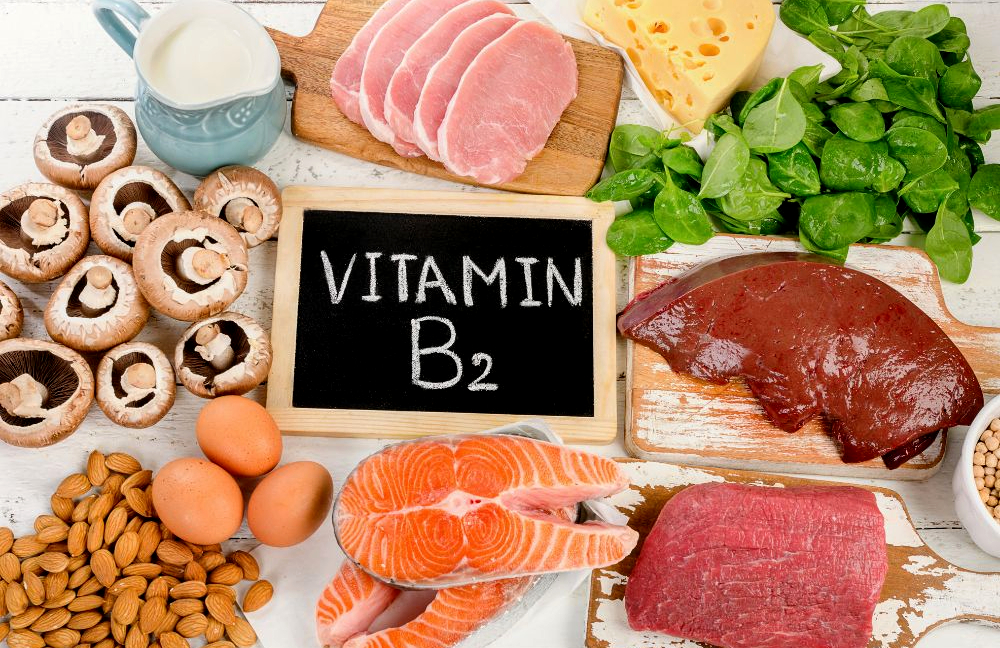
Best Food Sources of Vitamin B2
Top animal-based source:
- Beef liver – one of the most abundant sources of Riboflavin
Top plant-based sources:
- Mushrooms
- Spinach
- Almonds
Other whole food sources:
- Eggs
- Yogurt
- Milk
- Oats
- Salmon
Fortified foods and drinks:
- Breakfast cereals
- Nutritional yeast
- Plant-based milks fortified with B vitamins
Supplementing with Vitamin B2
Supplementation may be helpful if your diet lacks animal products or leafy greens, or if you have higher needs due to intense physical training, stress, or digestive issues that impair absorption.
Most multivitamins include Vitamin B2, but standalone riboflavin supplements are also available. Always follow recommended doses — while toxicity is rare, excessive amounts from high-dose supplements can lead to side effects. Reviewing reliable vitamin B2 information can help you determine whether supplementation is necessary and how to do it safely.
Signs of Deficiency
- Sores or cracks at the mouth’s corners
- Red, sore tongue
- Dry or flaky skin
- Fatigue or poor recovery after exercise
Signs of Toxicity
Since vitamin B2 dissolves in water and is typically eliminated in excess through the urine, it has low toxicity. However, extremely high supplement dosages could result in:
- Bright yellow urine (harmless but noticeable)
- Nausea
- Increased urine output
- Potential interference with lab test results
Stick to safe doses and consult a healthcare professional before using high doses for an extended period.
Quick Tips for Getting Enough Vitamin B2
- Add eggs or dairy to meals for natural Riboflavin
- Pair leafy greens with a source of fat to enhance absorption
- Consider a quality multivitamin if you follow a vegan or vegetarian diet
Quick Reference Table: Vitamin B2 at a Glance
| Category | Details |
|---|---|
| Nutrient Type | Water-soluble vitamin |
| Main Functions | Energy production, antioxidant support, cellular function |
| Fitness Benefits | Supports endurance, recovery, nervous system health |
| Top Animal Source | Beef liver |
| Top Plant Sources | Mushrooms, spinach, almonds |
| Deficiency Symptoms | Cracks at mouth corners, sore tongue, fatigue |
| Toxicity Risk | Low (bright yellow urine at high doses) |
| Supplement Advice | Consider if vegan/vegetarian or under high training stress |
| Daily Needs | Adults typically require 1.1–1.3 mg/day (check specific recommendations) |
Bottom Line
Vitamin B2 (Riboflavin) plays a crucial yet often overlooked role in energy production, recovery, and antioxidant defense — all of which are essential for active individuals. Maintaining a well-balanced diet or strategic supplementation can enhance your fitness performance and promote long-term health. Staying up to date with reliable vitamin B2 information ensures you’re making informed choices to support both immediate training goals and overall well-being.
Frequently Asked Questions (FAQ)
Yes, most people can meet their daily needs through a balanced diet that includes dairy, eggs, green vegetables, and whole grains. However, those with restricted diets or absorption issues may need supplementation.
Absolutely. Standard doses found in multivitamins are considered safe and help fill any nutritional gaps without risk of toxicity in healthy individuals.
Intense physical activity increases metabolic demand, and low intake of animal products or chronic stress can also contribute to insufficient levels over time.
Early signs include fatigue, skin irritation, sore throat, and cracked lips. If you’re frequently tired or slow to recover from training, a nutritional review may help identify the cause.
Yes, it is sensitive to light and heat. Cooking methods like boiling can reduce its levels, so opt for steaming or quick sautéing when possible to preserve more of the nutrient.