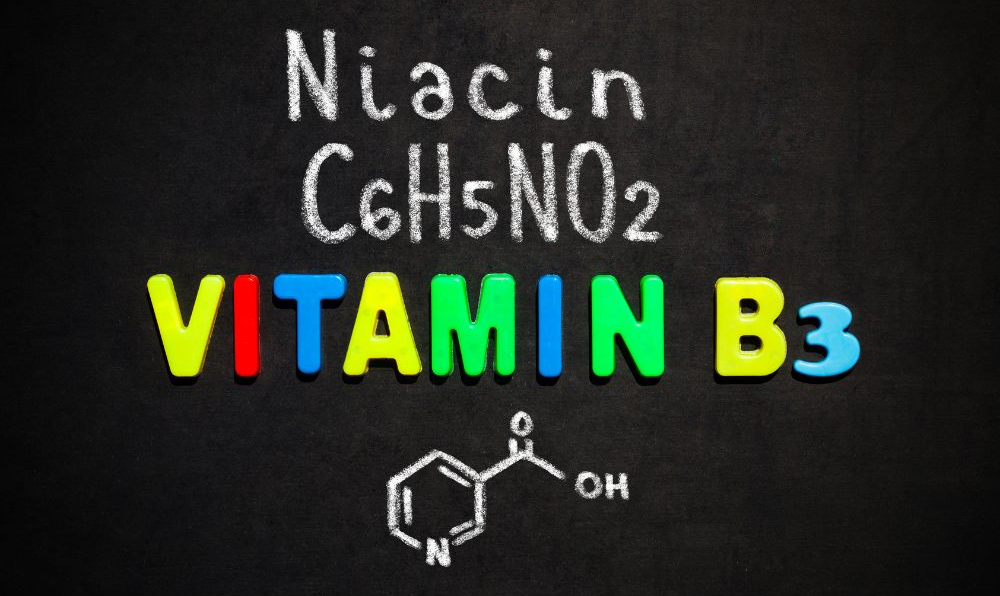
Understanding vitamin B3 information is essential when it comes to maintaining optimal health. Vitamin B3, also known as niacin plays an essential function in transforming food into energy, supporting brain function, and promoting healthy skin. It is one of the eight B-complex vitamins that your body needs to function properly.
What is Vitamin B3?
Vitamin B3 is a water-soluble vitamin that comes in three main forms:
- Niacin (nicotinic acid)
- Nicotinamide (niacinamide)
- Inositol hexanicotinate
Each form has different health benefits and uses. Niacin is often used in higher doses to help manage cholesterol levels, while nicotinamide is typically used in skincare and for its anti-inflammatory properties.
Benefits of Vitamin B3
To fully grasp vitamin B3 information, It’s essential to recognize the broad array of health advantages that this nutrient provides:
- Supports Metabolism: Vitamin B3 helps enzymes break down carbohydrates, fats, and proteins into usable energy.
- Improves Cholesterol Levels: Niacin can help raise HDL (good) cholesterol and lower LDL (bad) cholesterol and triglycerides.
- Promotes Skin Health: Niacinamide is commonly found in skincare formulations for its capacity to diminish inflammation, improve skin elasticity, and minimize redness.
- Boosts Brain Function: Adequate levels of vitamin B3 may help protect against cognitive decline and support overall brain health.
- Reduces Risk of Pellagra: Pellagra is a disease caused by niacin deficiency, and it can lead to dermatitis, diarrhea, and dementia. Proper intake of vitamin B3 can prevent it.
Natural Sources of Vitamin B3
Getting enough niacin through your diet is typically easy with a balanced intake of nutrient-rich foods. Here are some of the best natural sources:
- Meat: Chicken, turkey, and beef
- Fish: Tuna and salmon
- Whole grains and fortified cereals
- Legumes: Lentils and peanuts
- Dairy products and eggs
Many processed foods are also fortified with vitamin B3, making it easier for people to meet their daily needs.
Recommended Daily Intake
Understanding dosage is a key part of reliable vitamin B3 information. The recommended daily allowance (RDA) varies by age, sex, and life stage:
- Men: 16 mg/day
- Women: 14 mg/day
- Pregnant women: 18 mg/day
- Breastfeeding women: 17 mg/day
It’s best to get your vitamin B3 from food, but supplements are available for those with specific health conditions or dietary restrictions. However, taking high doses should always be done under medical supervision, as excessive niacin can cause side effects like flushing, liver damage, or gastrointestinal issues.
Quick Reference Table: Vitamin B3 Information
| Category | Details |
|---|---|
| Other Names | Niacin, Nicotinic Acid, Niacinamide |
| Primary Functions | Energy metabolism, skin health, brain function, cholesterol regulation |
| Daily Requirement | 14–16 mg for adults (higher for pregnant/lactating women) |
| Deficiency Risk | Pellagra (dermatitis, diarrhea, dementia) |
| Top Food Sources | Chicken, tuna, salmon, beef, peanuts, fortified cereals |
| Supplement Caution | High doses can cause flushing, liver damage |
Conclusion
In summary, staying informed about vitamin B3 information is vital for supporting your overall health. From boosting metabolism to improving skin and brain function, this essential nutrient plays multiple roles in keeping your body running smoothly. By eating a well-balanced diet rich in niacin-containing foods and understanding your daily needs, you can ensure you’re giving your body the support it deserves.
Frequently Asked Questions (FAQ)
A deficiency of niacin can cause a condition known as pellagra, which manifests through symptoms such as skin inflammation, diarrhea, mental confusion, and in severe cases, dementia. This condition is rare in developed countries but can occur in people with very poor diets or certain medical conditions.
Yes, plant-based foods like peanuts, whole grains, legumes, and fortified cereals contain niacin. However, it’s important for vegetarians and vegans to ensure they’re getting enough through these sources, as niacin is more abundant in animal products.
While moderate doses of niacin are usually safe, high-dose niacin supplements should only be taken under medical supervision due to possible side effects, including skin flushing, liver toxicity, and gastrointestinal upset.
Niacin has been demonstrated to raise HDL (high-density lipoprotein) levels, which is beneficial cholesterol. while lowering LDL (bad cholesterol) and triglycerides. However, due to potential side effects, it’s not typically the first line of treatment for cholesterol issues unless prescribed by a doctor.
They are related but not identical. Niacinamide is a form of vitamin B3 that doesn’t cause flushing and is often used in skincare and anti-inflammatory treatments. Niacin (nicotinic acid) is more commonly used for managing cholesterol levels.