Amino acids (AAs) are often referred to as the building blocks of proteins, which play a crucial role in various physiological functions in the body. Among the 20 different AAs, nine are classified as essential amino acids (EAAs). Because the body cannot produce them on its own, they are essential for good health and must be received from diet. In this article, we will explore what are amino acids, their functions, sources, and why they are important for overall health.
Understanding Essential Amino Acids
Essential AAs are those that the body cannot produce and, therefore, must be consumed through food. The nine essential AAs are:
- Histidine
- Isoleucine
- Leucine
- Lysine
- Methionine
- Phenylalanine
- Threonine
- Tryptophan
- Valine
Each of these plays unique roles in the body, contributing to various metabolic processes and supporting overall health.
Functions of EAAs
- Protein Synthesis
These AAs are crucial for the synthesis of proteins, which are necessary for building and repairing tissues, including muscles, skin, and organs. This is especially important for athletes and those involved in resistance training, as adequate protein synthesis supports muscle recovery and growth. - Enzyme Production
Many enzymes, which aid in metabolic reactions in the body, are proteins. EAAs are necessary for the production of these enzymes, thereby supporting metabolism and various bodily functions. - Hormone Regulation
Several hormones are proteins or peptides, and EAAs play a significant role in their synthesis. Hormones like insulin and growth hormone, which are vital for regulating blood sugar levels and promoting growth, rely on these AAs. - Immune Function
AAs are essential for the production of antibodies, which are crucial for a healthy immune system. They aid in the body’s defense against illnesses and infections by boosting immunological function. - Neurotransmitter Production
Some essential AAs are precursors for neurotransmitters, which are chemicals that transmit signals in the brain. For example, tryptophan is a precursor to serotonin, a neurotransmitter that controls mood, sleep, and hunger.
Sources of EAAs
It’s crucial to incorporate a range of meals high in protein into your diet to guarantee that you’re getting enough of these AAs. Here are some excellent sources:
Animal-Based Sources
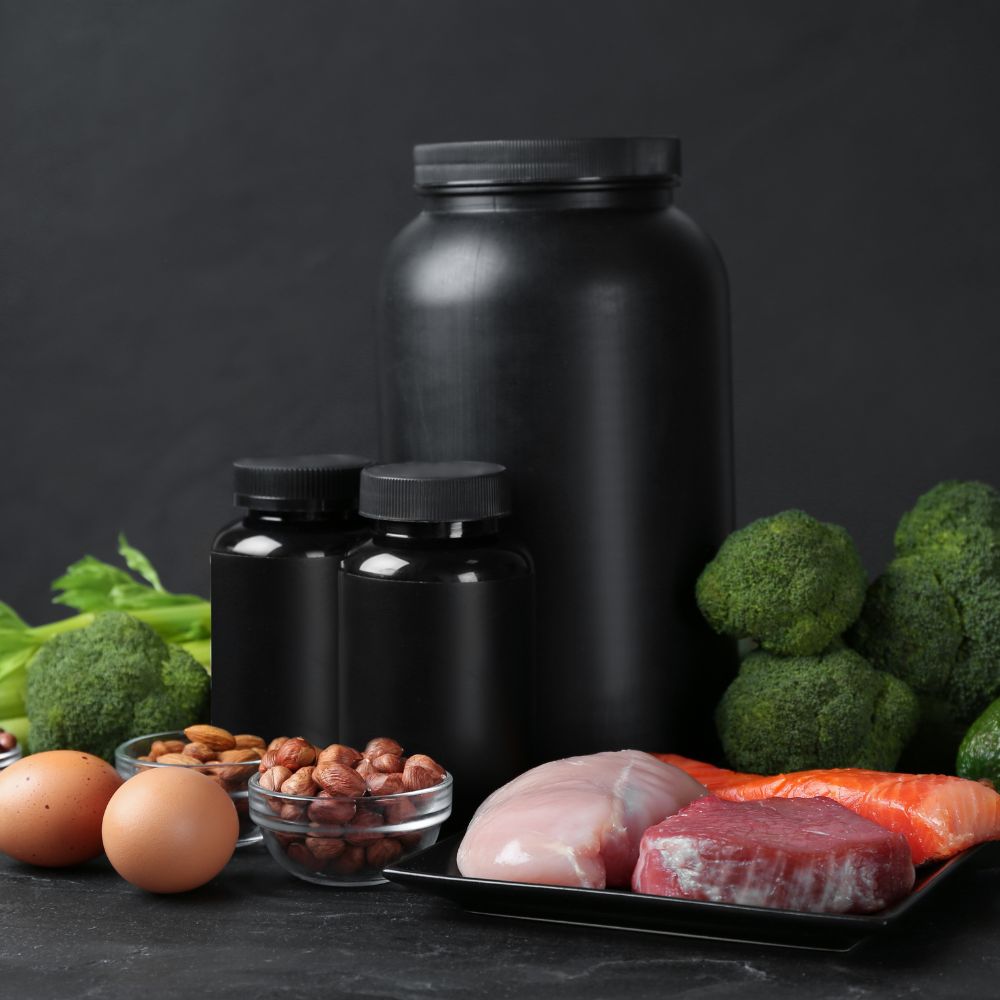
- Meat: Beef, pork, chicken, and turkey are rich in all essential amino acids.
- Fish: Fish like salmon, tuna, and others are great sources.
- Dairy: Yogurt, milk, and cheese provide high-quality protein and essential AAs.
- Eggs: With all nine essential amino acids, eggs rank as one of the most complete protein sources available.
Plant-Based Sources
While most plant proteins are not complete (lacking one or more essential AAs), certain foods can provide all EAAs when consumed in combination:
- Quinoa: Has all nine of the necessary amino acids, completing the protein.
- Soy Products: Tofu, tempeh, and edamame are excellent sources for vegetarians and vegans.
- Legumes: Beans, lentils, and chickpeas can be mixed with cereals to create a full protein profile.
- Nuts and Seeds: Important AAs are abundant in hemp seeds, chia seeds, and almonds.
Importance of EAAs for Health
Adequate intake of these AAs is vital for overall health and well-being. Many health issues, such as the following, can be brought on by deficiencies:
- Muscle Wasting: Insufficient EAAs can impair muscle repair and growth, particularly in athletes and active individuals.
- Weakened Immune System: A lack of EAAs may compromise immune function, making the body more susceptible to infections.
- Mood Disorders: Inadequate levels of certain AAs, like tryptophan, may impact mood and mental health.
Essential Amino Acids – Functions and Food Sources
| Essential Amino Acid | Primary Function | Common Food Sources |
|---|---|---|
| Histidine | Supports immune response and nerve function | Meat, fish, poultry |
| Isoleucine | Aids in muscle metabolism and energy regulation | Eggs, dairy, legumes |
| Leucine | Stimulates muscle protein synthesis | Beef, chicken, soy |
| Lysine | Supports calcium absorption and immune function | Cheese, fish, quinoa |
| Methionine | Aids in metabolism and detoxification | Eggs, nuts, seeds |
| Phenylalanine | Precursor for neurotransmitters | Dairy, meat, soy products |
| Threonine | Important for collagen and elastin formation | Cottage cheese, lentils, leafy greens |
| Tryptophan | Precursor to serotonin (mood regulation) | Turkey, oats, bananas |
| Valine | Supports muscle tissue repair and growth | Peanuts, mushrooms, whole grains |
Conclusion
Essentially, understanding what amino acids are and their indispensable roles in protein synthesis, enzyme production, and hormone regulation can help individuals make informed dietary choices. By ensuring a balanced diet that includes a variety of protein sources, you can meet your EAA needs and support overall health. Whether you’re an athlete looking to enhance performance or simply seeking to maintain good health, prioritizing these AAs is key to achieving your nutritional goals.
Frequently Asked Questions (FAQ)
These organic compounds are the key elements that form proteins. They play a vital role in muscle repair, enzyme production, and other essential body functions.
These nine essential AAs must be obtained through nutrition, as the body lacks the ability to synthesize them. They are crucial for protein synthesis and good health.
Essential amino acids can be found in a wide range of foods, including soy products, legumes, quinoa, and animal-based meals including meat, eggs, and dairy. Animal products generally provide complete protein sources.
Without enough essential amino acids, the body may experience muscle wasting, immune system weakness, tiredness, and emotional imbalances.
Yes, by combining complementary plant proteins like legumes and grains, or by eating complete plant proteins such as quinoa and soy, you can meet your EAA needs on a plant-based diet.