
Calcium is usually the first nutrient that people think of regarding bone health. But what is calcium and why is it important for the human body—especially our bones? In this article, we’ll explore the role of calcium, how it supports strong bones, and what happens when your body doesn’t get enough of it.
What Is It and Why Is It Important?
Calcium is an essential mineral that is crucial for many functions in the body. While it’s most famous for its impact on bone health, calcium is also essential for blood clotting, muscle contractions, and nerve signaling.
So, what is calcium and why is it important? It is the mineral found in the largest quantities within the body, with approximately 99% of it located in the bones and teeth. The other 1% moves through the bloodstream and soft tissues, where it aids in essential life-sustaining functions.
It’s Importance for Bone Health
Bones are dynamic structures that are continually undergoing a process of breakdown and reconstruction. Calcium is the key building block in this process. During childhood, adolescence, and early adulthood, the body uses calcium to build up bone mass. By the time you reach your late 20s, you’ve typically reached peak bone mass—the strongest your bones will ever be.
If your diet does not provide enough calcium, your body will extract it from your bones to support essential functions, which can weaken your bones in the long run. This may result in issues such as osteopenia or osteoporosis, which heighten the likelihood of fractures, particularly as one gets older.
Recognizing the significance of calcium and its importance is especially crucial for women, as they face a greater risk of losing bone density after menopause due to hormonal shifts.
Best Sources
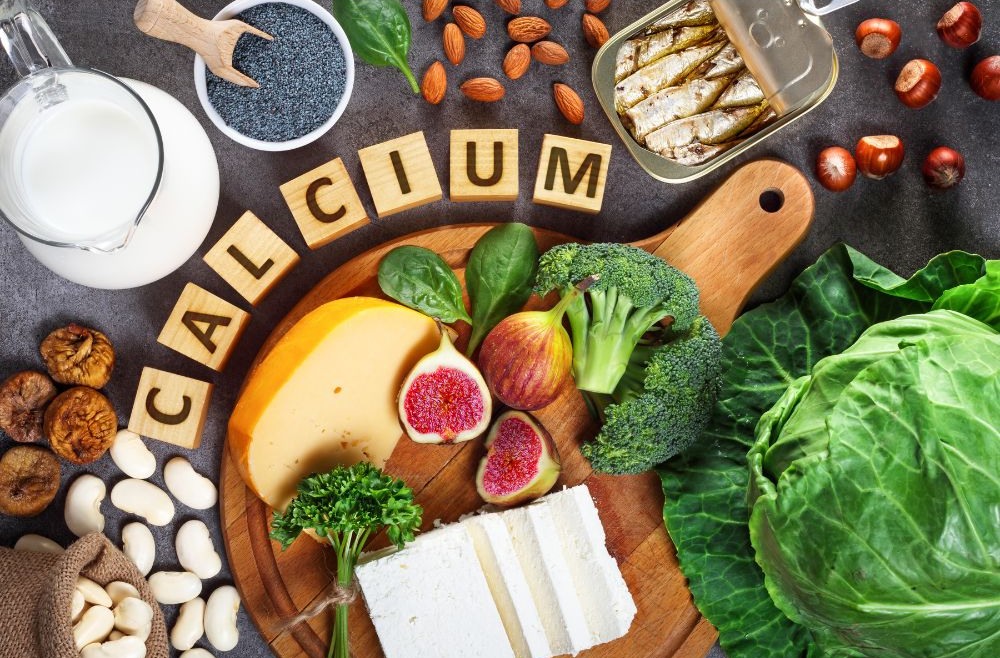
Getting enough calcium through your diet is essential for long-term bone health. Some of the best natural sources include:
- Dairy products like milk, yogurt, and cheese
- Vegetables rich in greens like kale and broccoli.
- Fortified foods like plant-based milk and cereals
- Fish that have edible bones include sardines and salmon.
Calcium supplements are also an option, especially for those who are lactose intolerant or follow a plant-based diet. Before starting a supplement regimen, it is imperative to speak with a healthcare provider.
Other Nutrients That Support Its Absorption
Calcium doesn’t work alone. To fully benefit from it, your body also needs:
- Vitamin D: Assists your body in utilizing calcium from both food sources and supplements.
- Magnesium and Vitamin K2: Play supporting roles in bone metabolism and calcium regulation
Without these nutrients, even a calcium-rich diet may not fully protect your bones.
Quick Guide to Calcium and Bone Health
| Aspect | Details |
|---|---|
| What is Calcium? | A mineral essential for bone structure, muscle function, and nerve signaling |
| Why Is It Important? | Maintains bone strength, supports heart and muscle function, prevents osteoporosis |
| Where Is It Stored? | 99% in bones and teeth; 1% in blood and soft tissues |
| Best Food Sources | Dairy (milk, cheese, yogurt), leafy greens, fortified plant milks, sardines |
| Daily Recommended Intake | Adults: 1,000 mg/day; Women 50+ and Men 70+: 1,200 mg/day |
| Key Supporting Nutrients | Vitamin D, Magnesium, Vitamin K2 |
| Deficiency Risks | Weak bones, increased fracture risk, osteoporosis, muscle cramps |
Conclusion
To sum up, what is calcium and why is it important? Calcium is an essential mineral that not only builds and maintains strong bones but also supports vital bodily functions. Ensuring you get enough calcium—along with supporting nutrients like vitamin D—can significantly reduce your risk of bone-related diseases later in life.
Taking steps now to include calcium-rich foods in your diet is one of the smartest long-term health investments you can make. Strong bones start with smart choices.
Frequently Asked Questions (FAQ)
Maintaining bone density and structure requires this vital mineral. It helps build strong bones during growth and slows bone loss as you age, reducing the risk of fractures and osteoporosis.
Indeed, individuals can fulfill their mineral requirements by consuming a well-rounded diet that includes dairy products, leafy vegetables, fortified items, and specific types of fish. However, some may require supplements based on age, dietary restrictions, or medical conditions.
A lack of this essential nutrient may result in fragile bones, weak nails, muscle spasms, and eventually, a higher likelihood of developing osteoporosis and suffering fractures.
Women, especially postmenopausal women, generally need more of this bone-building nutrient due to a greater risk of bone loss. Men also need adequate levels of the mineral, but their risk of osteoporosis tends to occur later in life..
Yes, vitamin D is essential for aiding the body in efficiently absorbing this key element for bone health. Inadequate levels of vitamin D can render a nutrient-rich diet ineffective for sustaining bone health.