
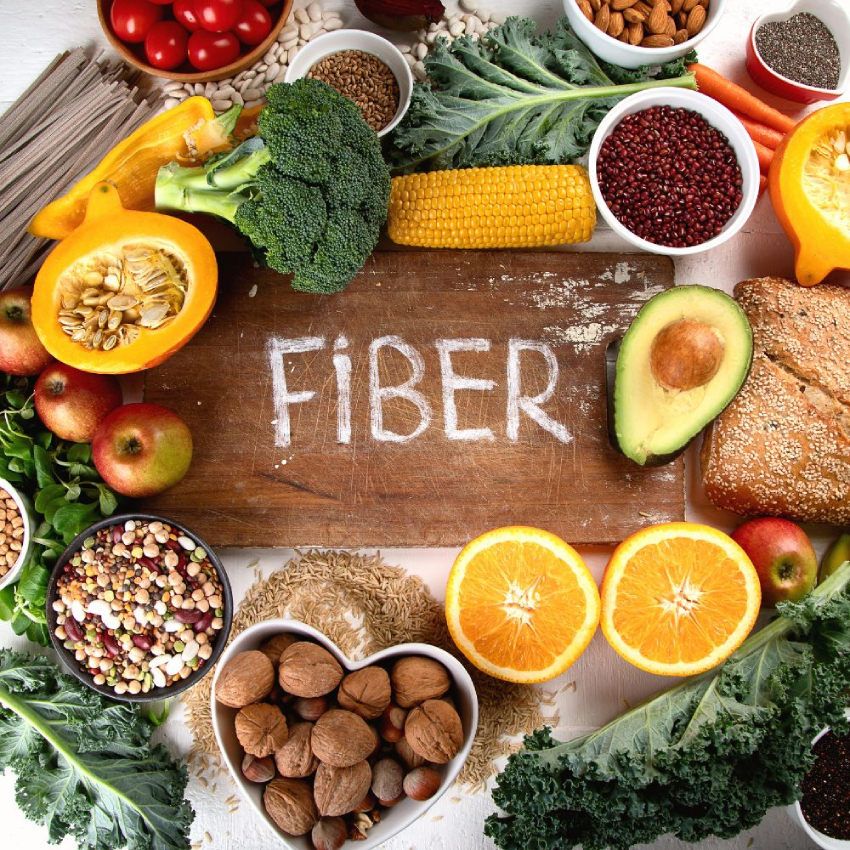
When it comes to reaching peak health and fitness, understanding what is dietary fiber and why is it important is crucial. Dietary fiber, often overlooked in the pursuit of protein shakes and intense workout routines, plays a key role in digestion, metabolism, and overall physical performance. If you’re looking to shed pounds, gain muscle, or enhance your general health, adding fiber to your meals can have a notable impact.
What Is Dietary Fiber?
Dietary fiber is a kind of carbohydrate present in foods derived from plants that your body is unable to completely break down. In contrast to other carbohydrates, fiber travels through the digestive tract largely unchanged, contributing bulk to your stool and supporting the efficient operation of your intestines. Dietary fiber falls into two main categories:
- Soluble fiber: Dissolves with water to create a gel-like material. It helps lower blood cholesterol and regulate blood sugar levels. Common sources include oats, beans, apples, and citrus fruits.
- Insoluble fiber: Does not dissolve in water and contributes to stool bulk, encouraging consistent bowel movements and helping to prevent constipation. You can find it in whole grains, nuts, and vegetables like cauliflower and carrots.
Why Dietary Fiber Is Important for Fitness
Understanding what is dietary fiber and why is it important extends beyond digestion. Fiber offers several fitness benefits:
- Supports Weight Management: Fiber-rich foods are more filling, which helps control appetite and prevent overeating. If you want to shed fat, this can be really helpful.
- Boosts Digestive Health: A well-functioning gut is crucial for absorbing nutrients and facilitating energy metabolism. Insoluble fiber keeps the digestive tract moving, preventing bloating and discomfort.
- Regulates Blood Sugar Levels: Soluble fiber slows the absorption of sugar into the bloodstream, reducing energy spikes and crashes—essential for sustained workouts and performance.
- Enhances Heart Health: Fiber helps lower LDL cholesterol and reduces the risk of heart disease, which is crucial for overall fitness and endurance.
- Improves Gut Microbiome: Fiber acts as a prebiotic, feeding beneficial gut bacteria. A healthy microbiome is linked to better immunity, reduced inflammation, and improved energy levels.
How to Incorporate More Dietary Fiber into Your Fitness Diet
To maximize your fitness results, include a variety of fiber-rich foods in your meals:
- Breakfast: Add oats, chia seeds, or berries to your morning routine.
- Lunch: Include legumes, whole grains, or leafy greens in salads or bowls.
- Snacks: Opt for fruits, nuts, or vegetable sticks instead of processed snacks.
- Dinner: Add high-fiber vegetables and whole grains to balance your plate.
Aim for at least 25–30 grams of fiber per day, gradually increasing your intake to avoid digestive discomfort.
Best Sources of Dietary Fiber for a Fitness-Focused Diet
| Food Source | Type of Fiber | Key Benefits for Fitness | Serving Suggestion |
|---|---|---|---|
| Oats | Soluble | Supports heart health, stabilizes blood sugar | Start your day with oatmeal or overnight oats |
| Lentils & Beans | Soluble & Insoluble | Promotes muscle recovery and sustained energy | Add to soups, salads, or burrito bowls |
| Chia Seeds | Soluble | Aids hydration and digestion | Mix into smoothies or yogurt |
| Broccoli | Insoluble | Improves digestion and gut health | Steam or roast as a side dish |
| Berries (Blueberries, Raspberries) | Soluble & Insoluble | Provides antioxidants and supports endurance | Enjoy as a snack or in protein shakes |
| Whole Grains (Quinoa, Brown Rice) | Insoluble | Maintains fullness and steady energy | Use as a base for meals or grain bowls |
| Apples & Citrus Fruits | Soluble | Helps regulate blood sugar and supports recovery | Eat fresh or add to salads |
| Nuts & Seeds | Insoluble | Keeps you satisfied and supports healthy fats intake | Sprinkle on meals or enjoy as a snack |
Conclusion
Knowing what is dietary fiber and why is it important is vital for anyone focused on fitness and overall health. Fiber contributes to digestive health while also helping with weight control, maintaining blood sugar levels, and enhancing cardiovascular health. Embracing a colorful variety of fiber-rich foods can supercharge your performance, elevate your energy, and support your long-term health journey. Fitness isn’t just about exercise—it’s also about fueling your body with the nutrients it needs to thrive, and dietary fiber is a key piece of that puzzle.
Frequently Asked Questions (FAQ)
Fiber supports muscle recovery indirectly by improving nutrient absorption and maintaining a healthy gut environment. A balanced gut helps the body process protein, vitamins, and minerals more efficiently—essential for repairing and building muscle tissue.
Indeed, ingesting an excessive amount of fiber too rapidly can lead to bloating, gas, or abdominal discomfort. It’s advisable to slowly raise your fiber consumption and ensure you drink enough water to assist your digestive system in adapting.
There’s no single “best” time, but spreading fiber-rich foods evenly throughout the day is ideal. Having fiber at breakfast can promote fullness, while including it in lunch and dinner helps sustain energy levels and aid digestion.
By keeping blood sugar levels steady, fiber helps avoid energy crashes and spikes. While it’s not a direct energy source, maintaining steady glucose levels ensures consistent performance during workouts.
Fiber supplements can be useful if you struggle to get enough from whole foods, but they shouldn’t replace fruits, vegetables, legumes, and grains. Whole foods provide additional nutrients and phytochemicals that supplements lack.