
If you’ve ever wondered “What is BMR?”, you’re not alone.
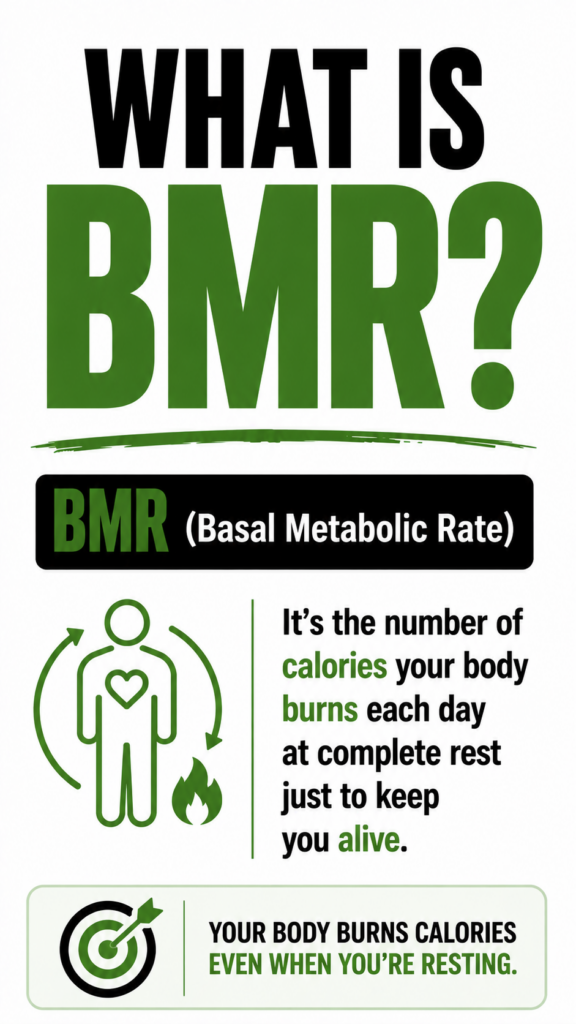
Your Basal Metabolic Rate (BMR) is the number of calories your body needs each day just to keep you alive while completely at rest. It powers essential functions like breathing, circulation, brain function, and maintaining body temperature.
Knowing your BMR is the first step toward estimating your daily calorie needs for maintaining, losing, or gaining weight.
What Does BMR Mean?
BMR stands for Basal Metabolic Rate.
Think of it as your body’s “idle speed.”
Even if you stayed in bed all day without exercising, your body would still burn calories to:
- Breathe
- Pump blood
- Regulate body temperature
- Support brain function
- Keep your organs working
These calories make up your Basal Metabolic Rate.
Why BMR Matters
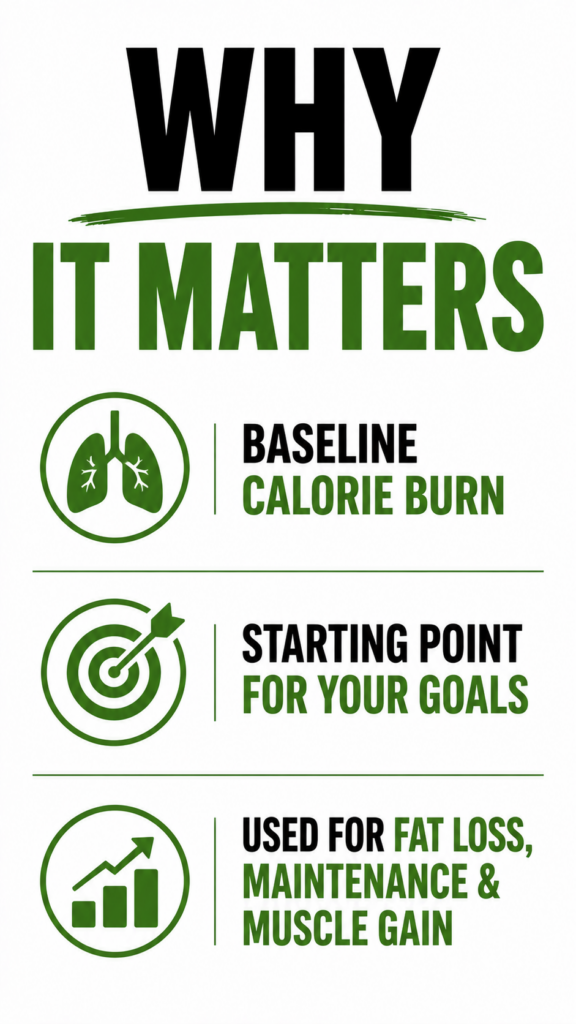
Your Basal Metabolic Rate serves as the foundation for estimating how many calories your body needs each day.
Once you know your BMR, you can:
- Estimate daily calorie needs
- Create a calorie deficit for weight loss
- Plan a calorie surplus for muscle gain
- Build a nutrition plan based on your activity level
Information You’ll Need
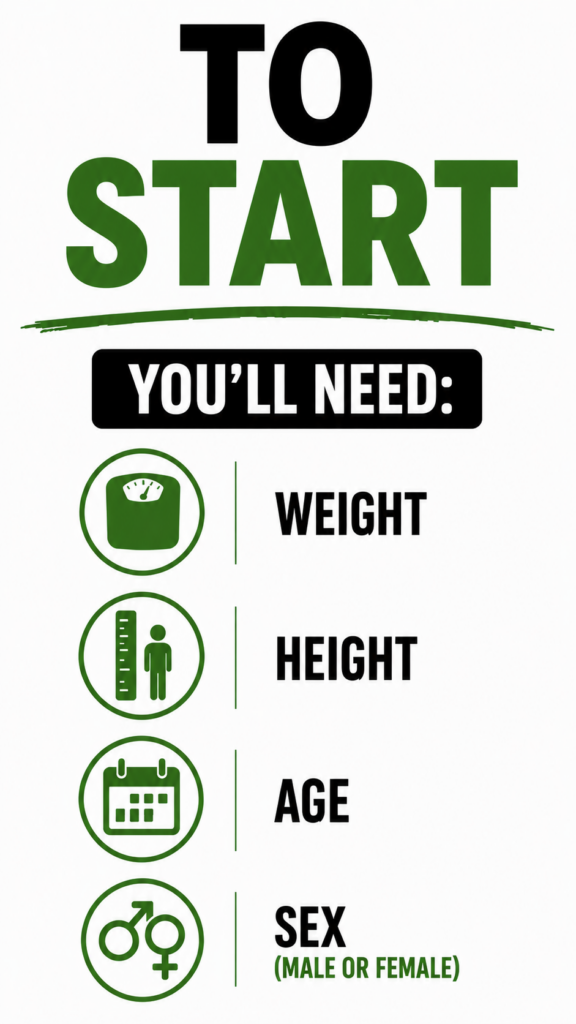
Before calculating your BMR, gather:
- Weight
- Height
- Age
- Sex
Convert Your Measurements
If you’re using U.S. units, convert them first.
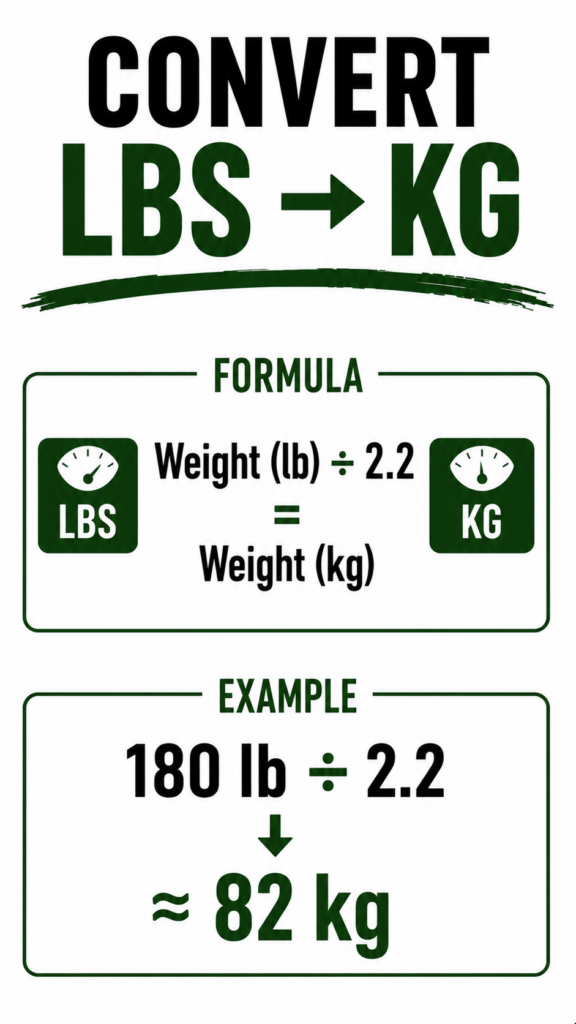
Pounds → Kilograms
Weight (lb) ÷ 2.2 = Weight (kg)
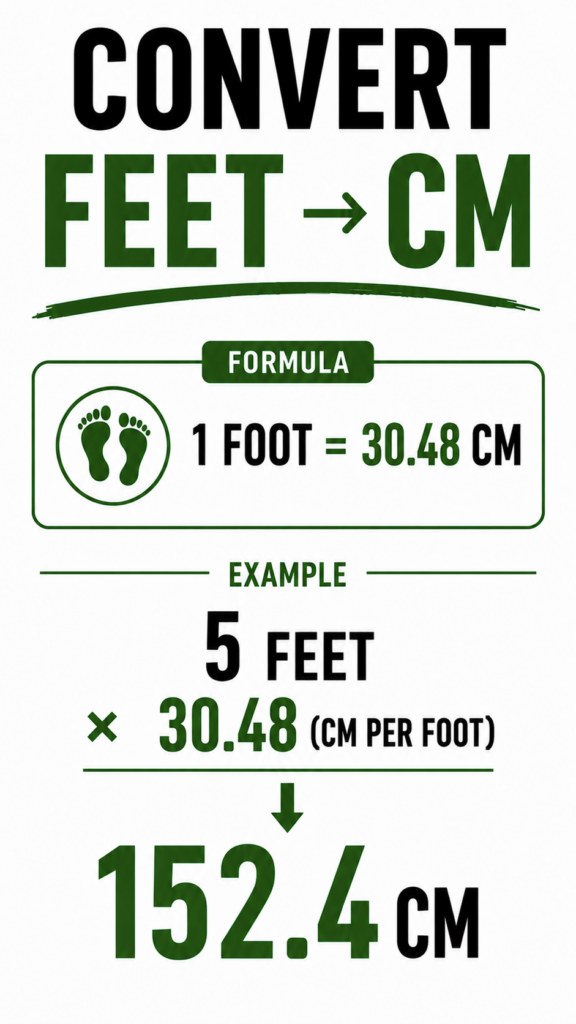
Feet → Centimeters
1 foot = 30.48 cm
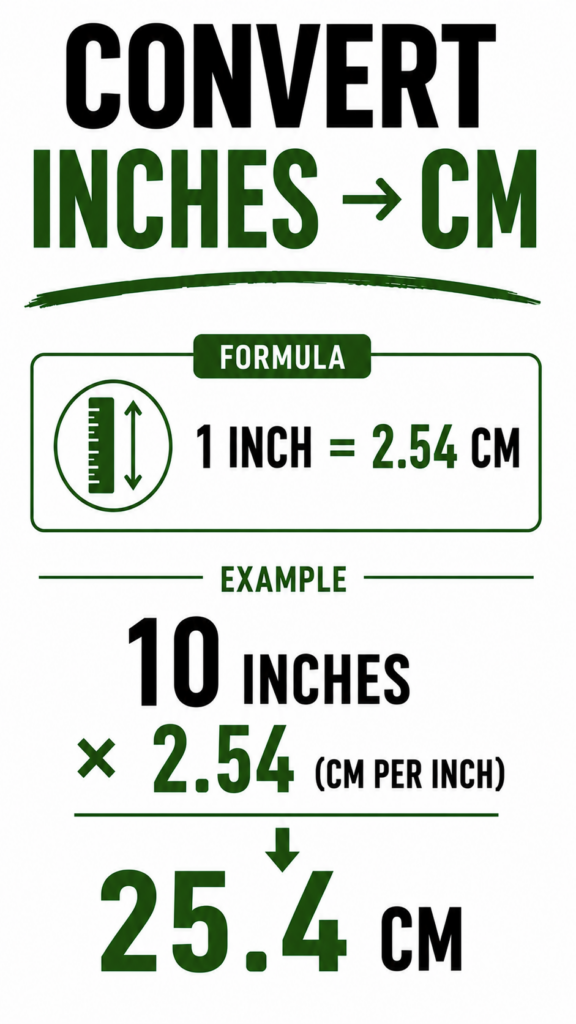
Inches → Centimeters
1 inch = 2.54 cm
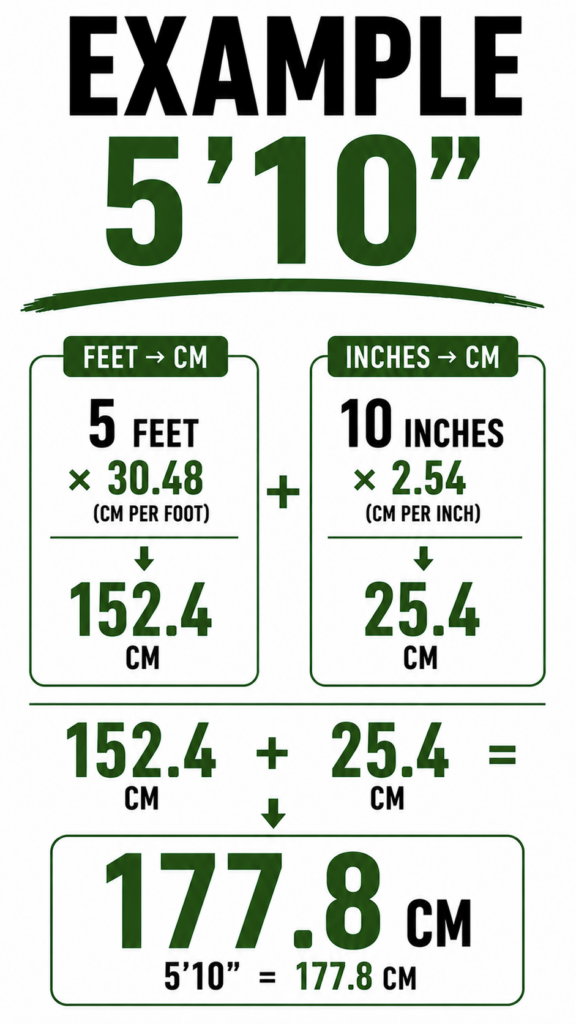
Example
5’10”
↓
177.8 cm
How to Calculate Your Basal Metabolic Rate
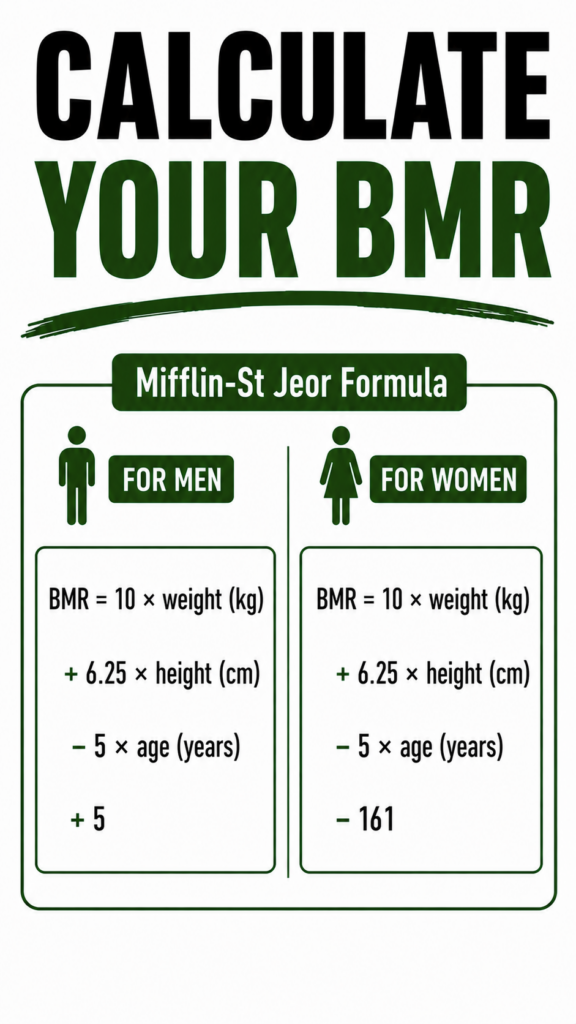
One of the most commonly used equations is the Mifflin–St. Jeor equation.
Men
10 × weight (kg)
+ 6.25 × height (cm)
− 5 × age
+ 5
Women
10 × weight (kg)
+ 6.25 × height (cm)
− 5 × age
− 161
Basal Metabolic Rate Calculation Examples
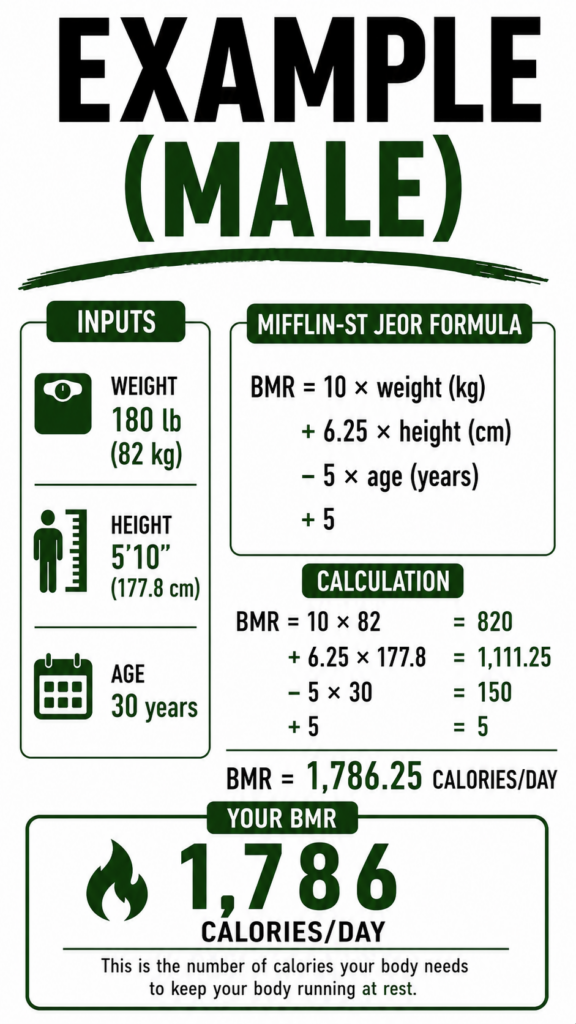
Male Example
- Weight: 180 lb (82 kg)
- Height: 5’10” (177.8 cm)
- Age: 30
Estimated Basal Metabolic Rate:
1,786 Calories/Day
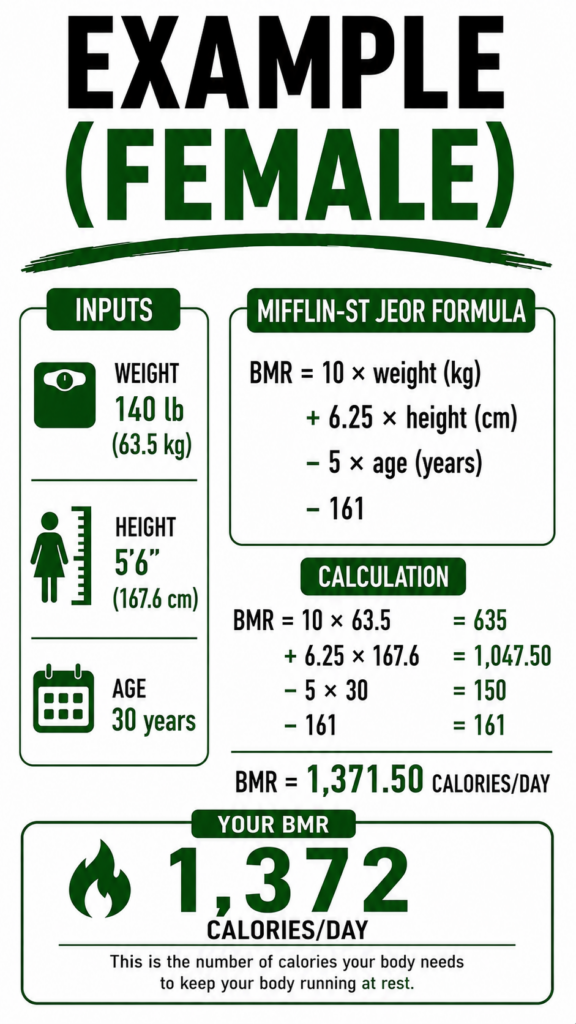
Female Example
- Weight: 140 lb (63.5 kg)
- Height: 5’6″ (167.6 cm)
- Age: 30
Estimated Basal Metabolic Rate:
1,372 Calories/Day
Applying Your BMR
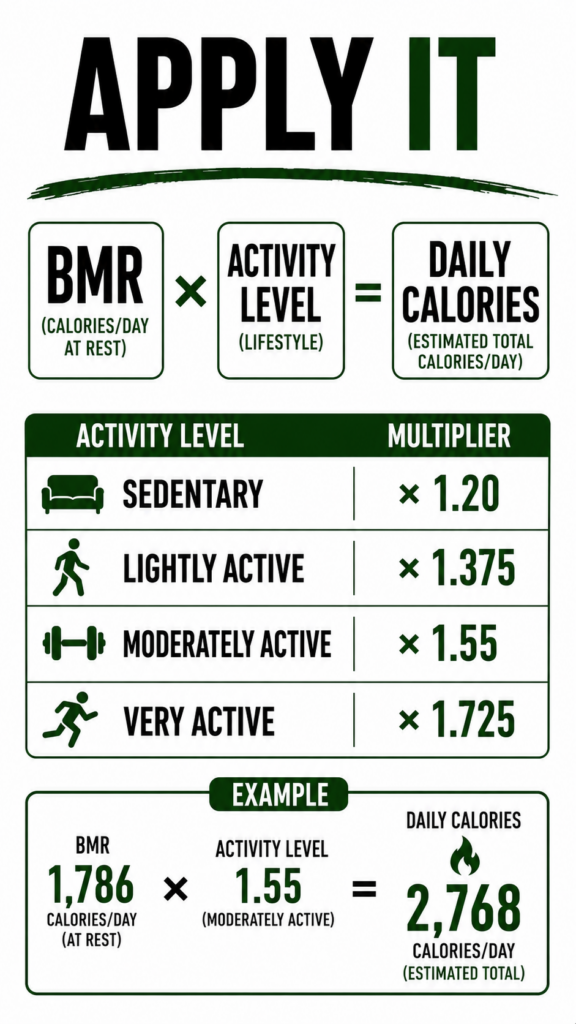
Your BMR only estimates the calories your body needs at complete rest.
To estimate the calories needed to maintain your current lifestyle, multiply your BMR by your activity level.
This provides an estimate of your Total Daily Energy Expenditure (TDEE).
Adjust Calories for Your Goal
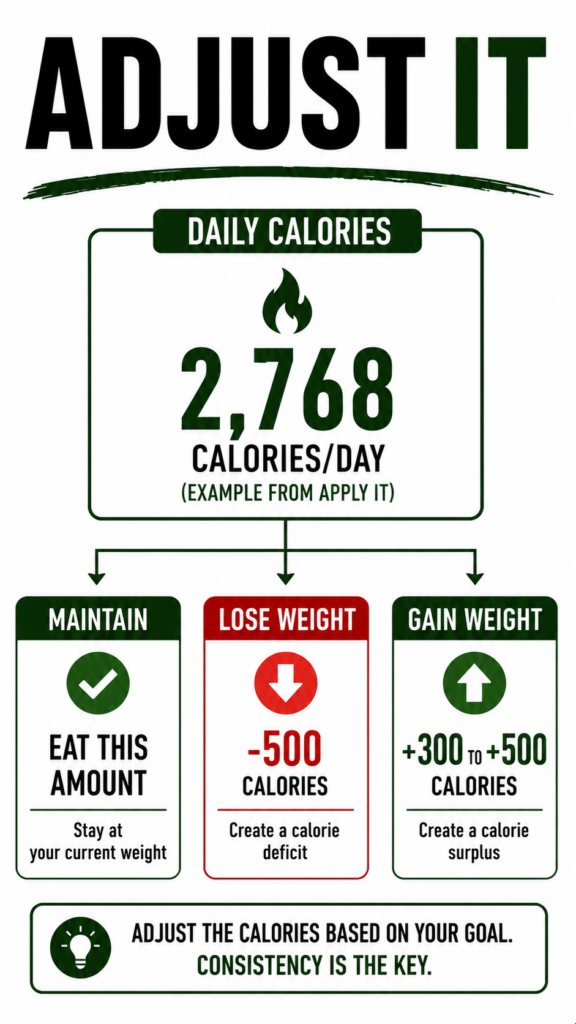
Once you’ve estimated your daily calorie needs:
- Eat around maintenance to maintain weight.
- Reduce calories to lose weight.
- Increase calories to gain weight.
These are starting estimates that can be adjusted based on progress over time.
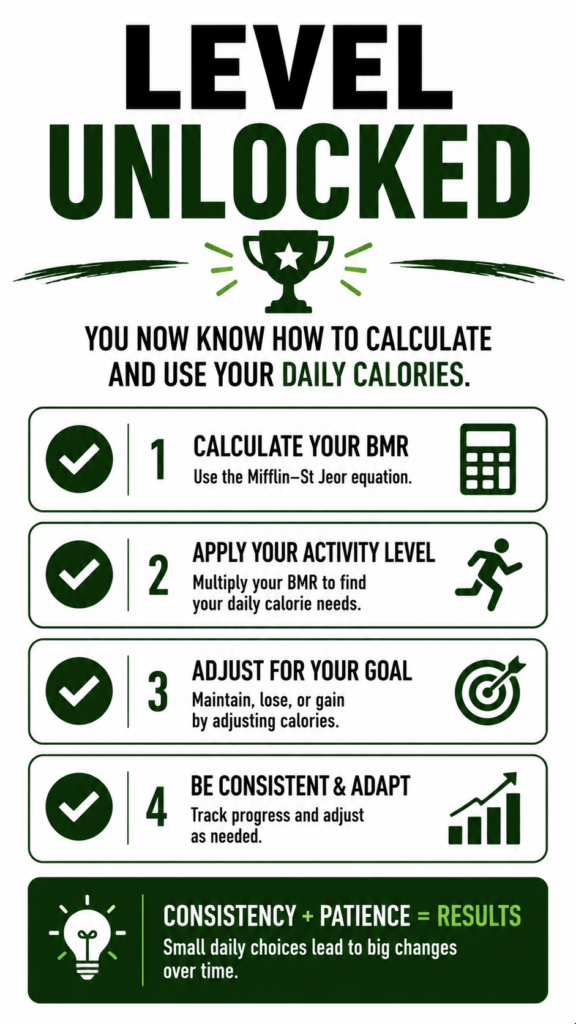
Level Unlocked
Congratulations! You now understand:
- ✅ What Basal Metabolic Rate is
- ✅ Why it matters
- ✅ How to convert your measurements
- ✅ How to calculate it
- ✅ How to estimate your daily calorie needs
- ✅ How to adjust calories based on your goal
Frequently Asked Questions
No. BMR estimates the calories your body needs at complete rest. TDEE (Total Daily Energy Expenditure) estimates the calories your body needs to support your normal daily activity.
No. Exercise and daily activity are added later when calculating TDEE.
The Mifflin–St. Jeor equation provides an estimate. Actual calorie needs vary between individuals.
Sources
- Mifflin MD, St Jeor ST, Hill LA, et al. A new predictive equation for resting energy expenditure in healthy individuals. American Journal of Clinical Nutrition. 1990.
- Academy of Nutrition and Dietetics.
- National Institutes of Health.
Continue Leveling Up
You just learned what Basal Metabolic Rate (BMR) is and how to calculate it.
Ready for the next step?
Watch our What Is Total Daily Energy Expenditure (TDEE)? YouTube Short or explore another Nutrition & Fitness Guidelines article to continue building your nutrition knowledge.